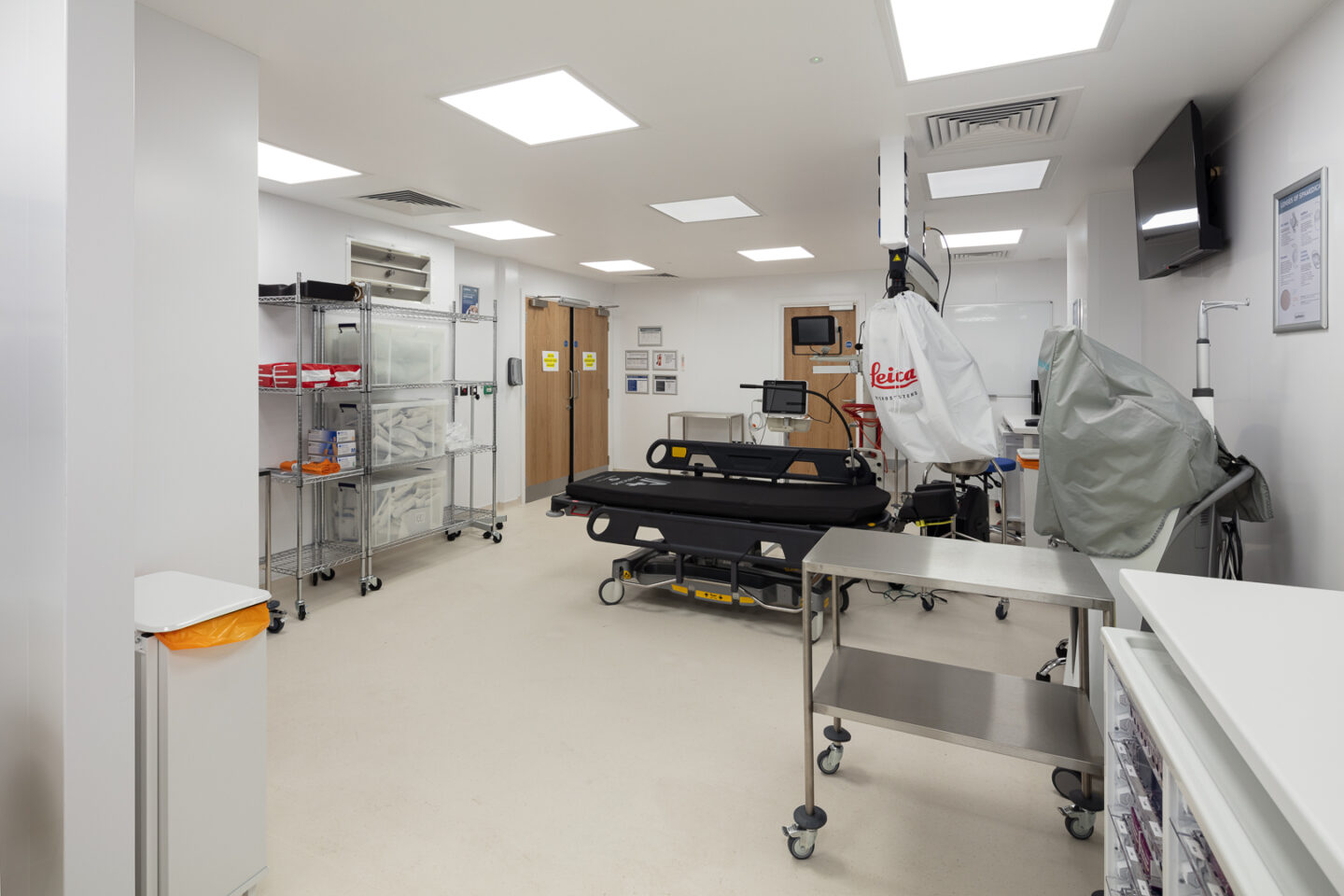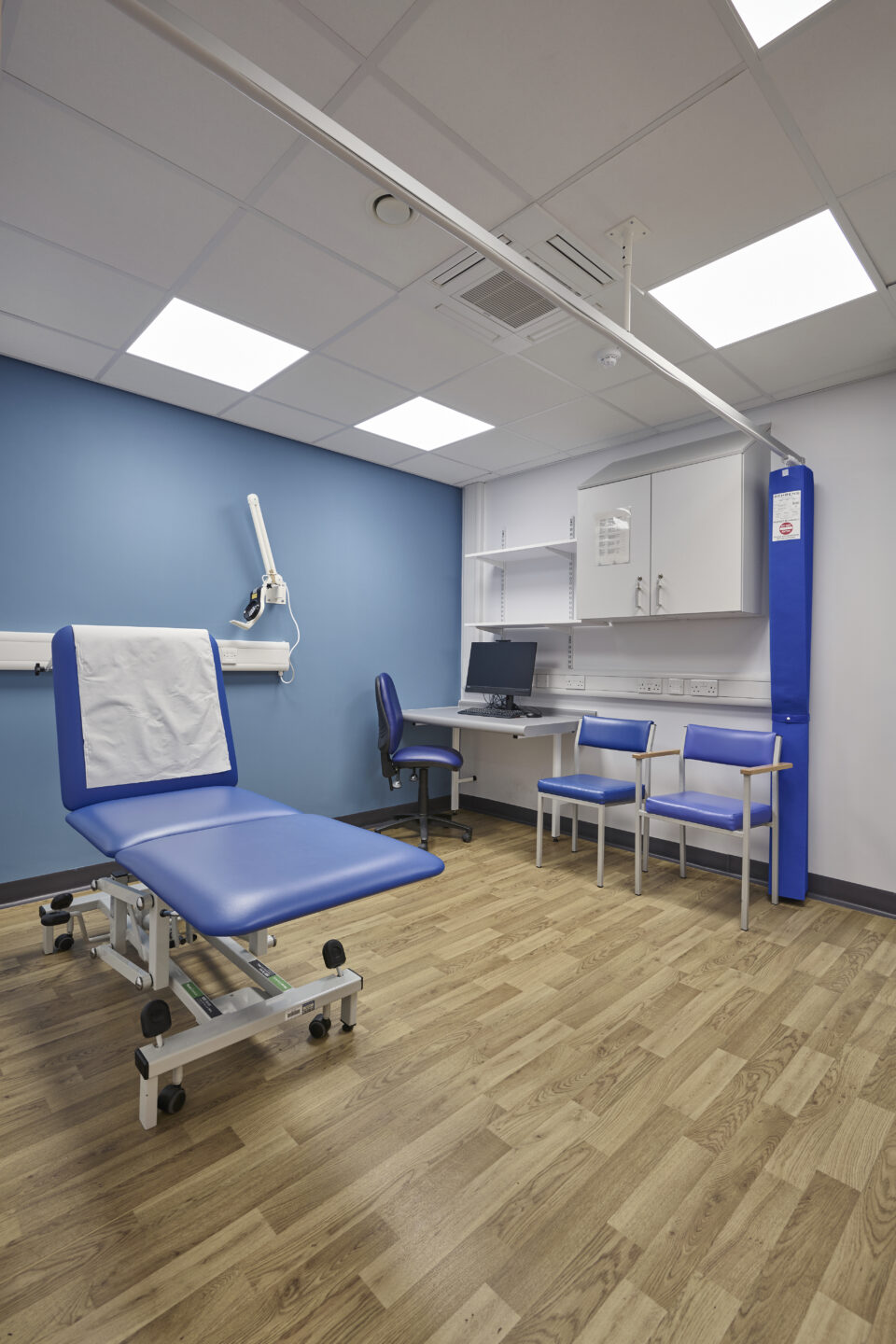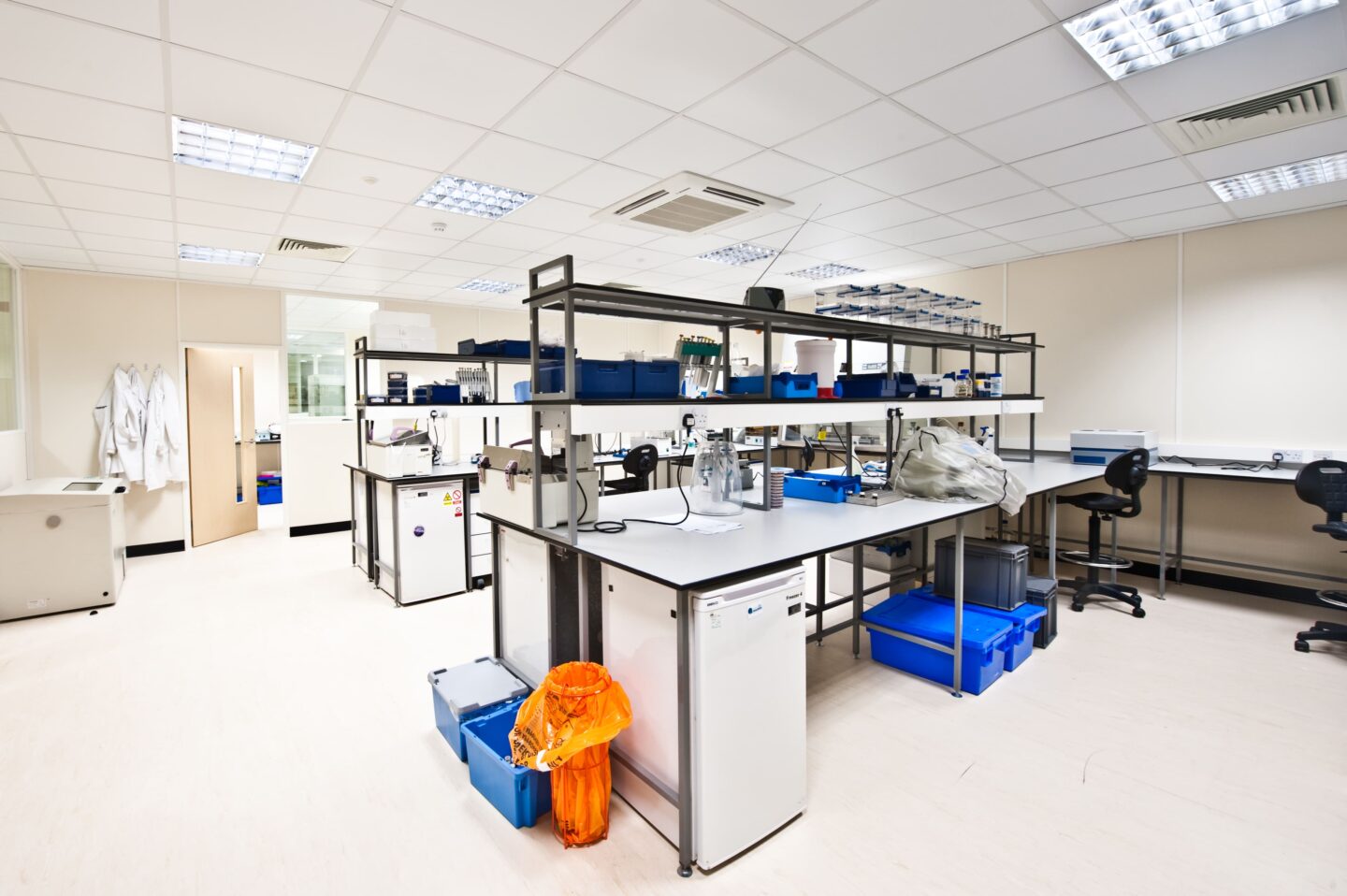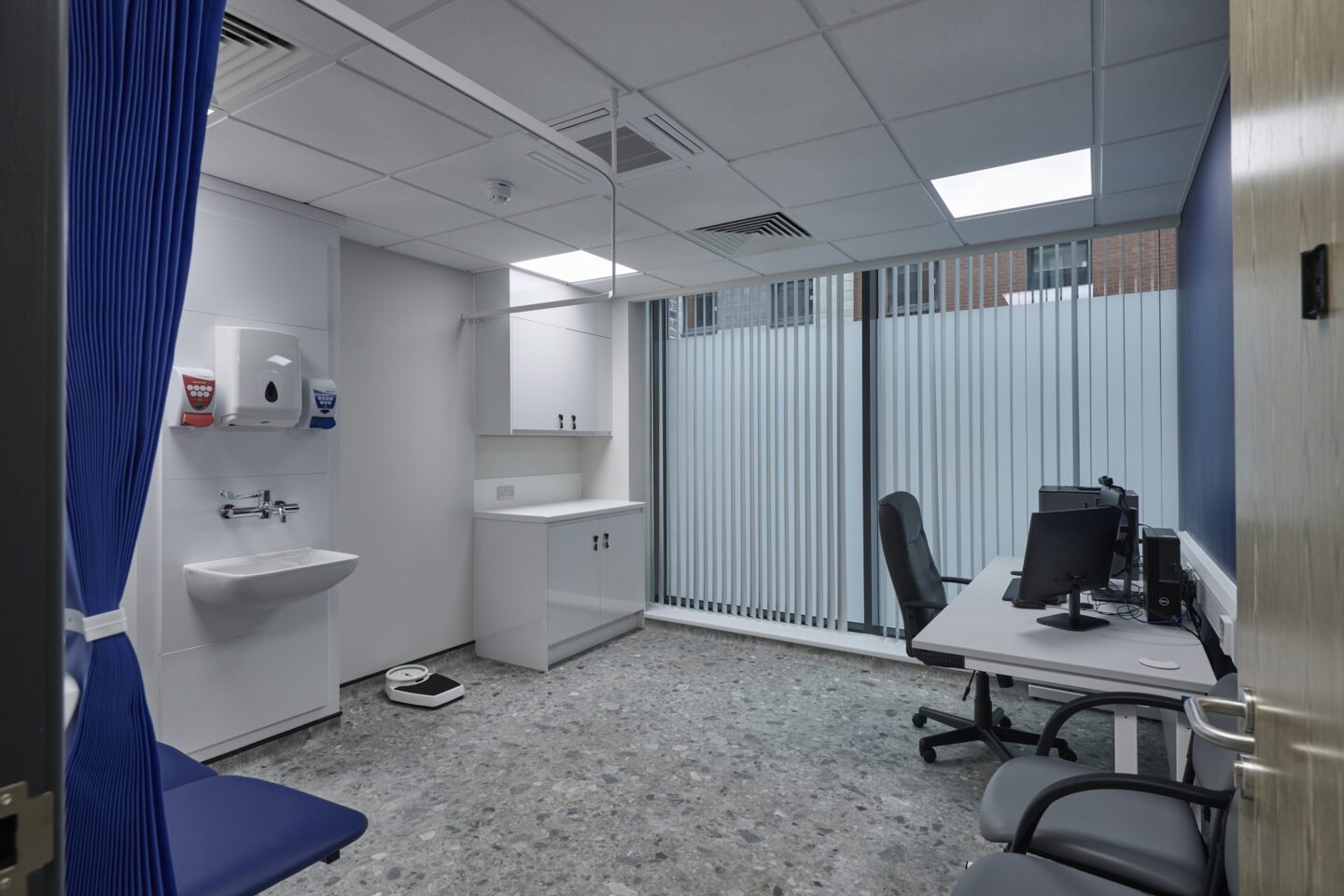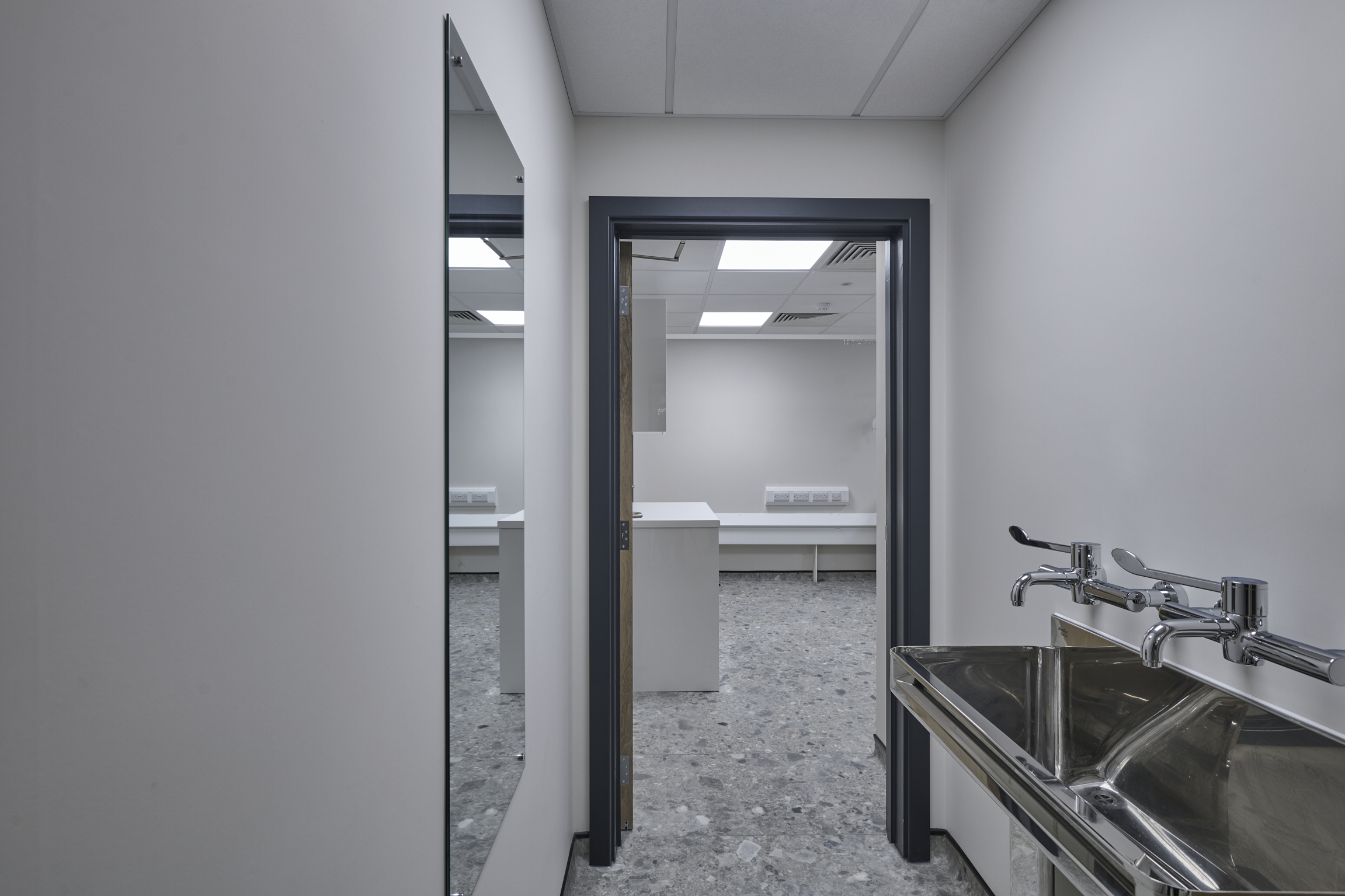
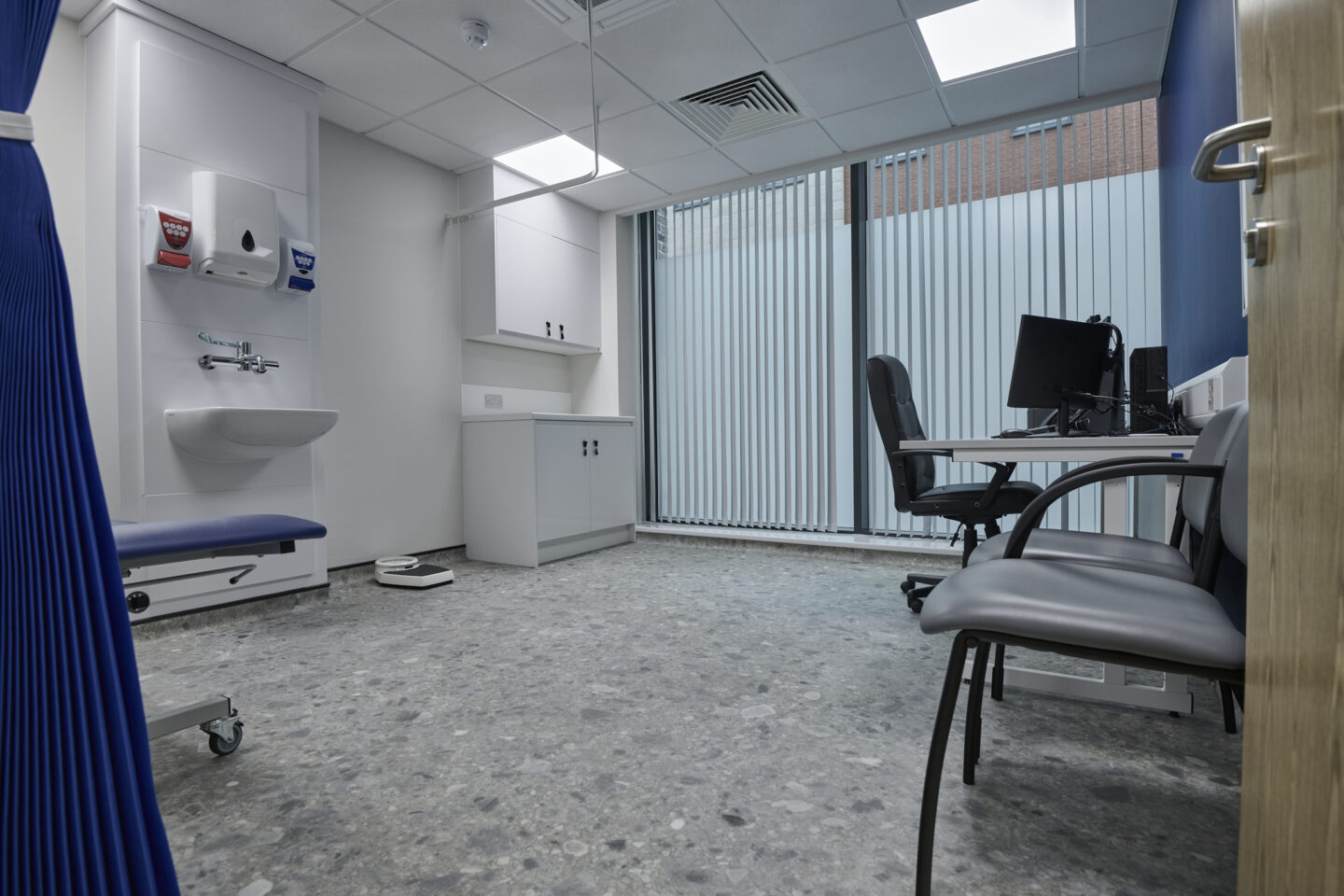
Creating a controlled environment for pharmaceutical, healthcare, laboratory, and life sciences applications requires far more than constructing a sealed space. Effective clean room design and build projects demand detailed planning, technical expertise, regulatory compliance, and a thorough understanding of how people, equipment, and processes interact within the facility.

At Ben Johnson Interiors, we have extensive experience delivering specialist commercial environments, including laboratories, medical facilities, and highly controlled spaces. Our approach combines workplace consultancy, design expertise, fit-out delivery, and project management to create environments that support operational requirements while maintaining efficiency, quality, and compliance.

Whether you are developing a new pharmaceutical manufacturing facility, upgrading an existing laboratory, or planning a specialist healthcare environment, understanding the key elements involved in clean room design can help ensure a successful outcome from the outset.
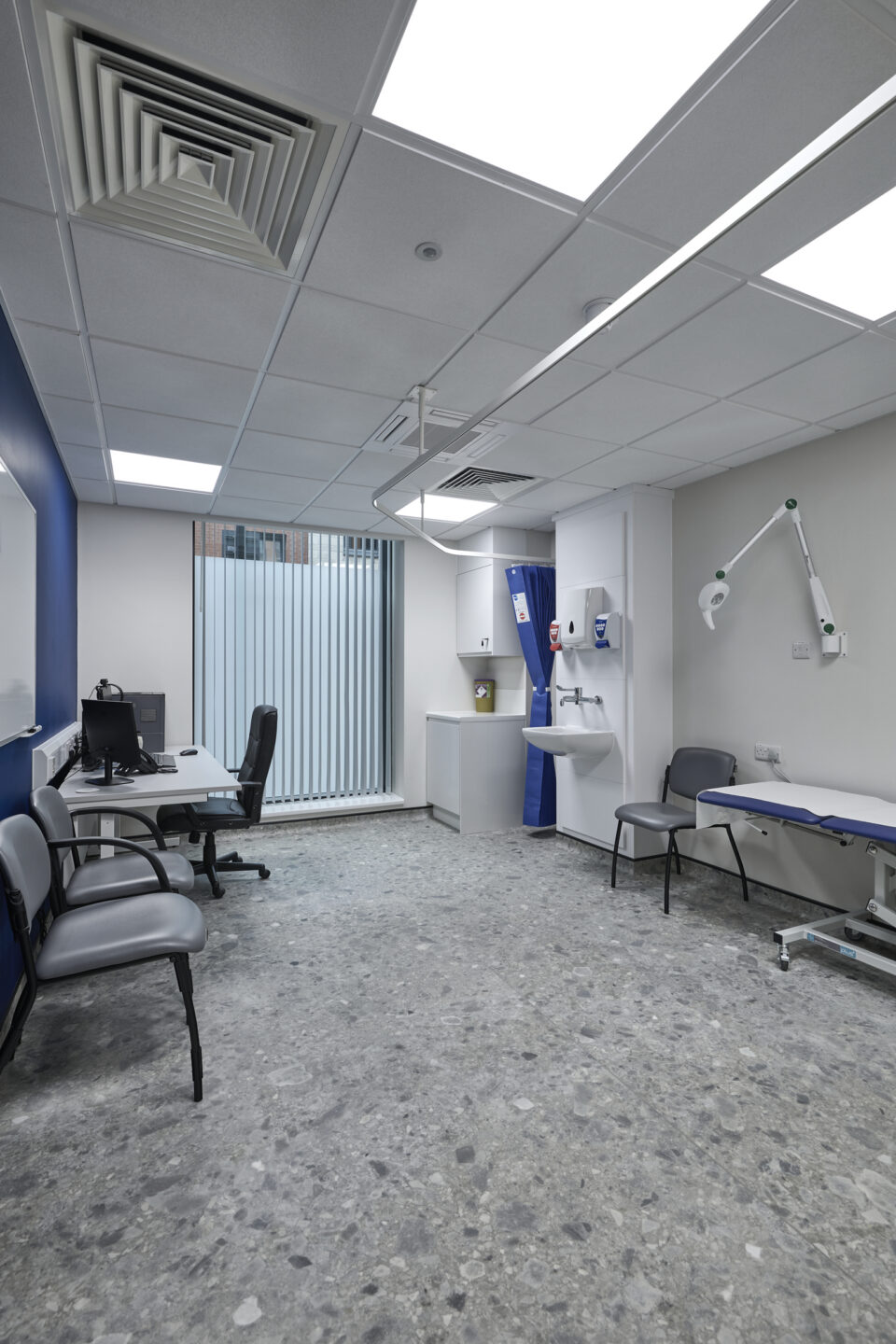
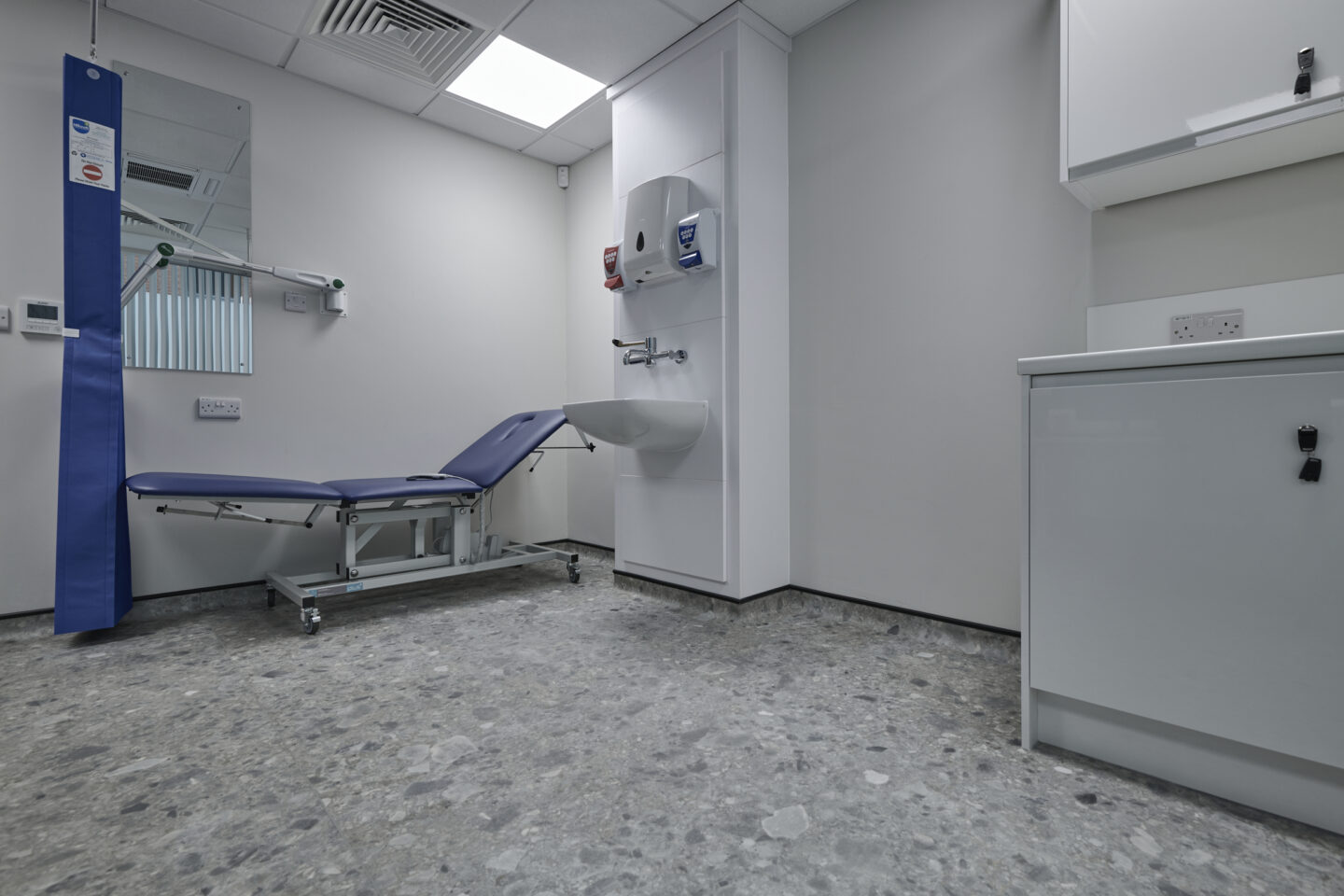
Understanding the Purpose of the Clean Room Environment

Every clean room environment is designed around a specific operational requirement. Before any design work begins, it is essential to establish exactly what processes will take place within the space. Different applications require different levels of cleanliness, airflow control, temperature management, and contamination prevention.

In pharmaceutical settings, for example, the clean room must support manufacturing activities while protecting products from airborne particles, microbial contamination, and external pollutants. Research laboratories may require different environmental controls depending on the type of testing or development work being undertaken. Understanding these operational requirements early allows the design team to create a space that supports productivity while meeting relevant industry standards.

A successful clean room design and build project always starts with a detailed assessment of workflows, personnel movement, equipment requirements, and future growth plans. This ensures the facility remains effective long after the initial installation.

Pharmaceutical Clean Room Classification Requirements

One of the most important aspects of any pharmaceutical clean room design project is understanding the required classification level. Pharmaceutical clean room classification systems establish the acceptable concentration of airborne particles within a controlled environment.

The pharmaceutical industry commonly follows standards outlined by the Medicines and Healthcare products Regulatory Agency (MHRA) and Good Manufacturing Practice (GMP) guidelines. These classifications determine the level of environmental control required for specific manufacturing processes. The UK Government’s guidance on GMP standards provides essential information for organisations operating within regulated pharmaceutical sectors.

Different classifications demand varying levels of filtration, air changes, pressure control, and monitoring. Selecting the correct classification from the beginning helps avoid costly redesigns and ensures the facility meets regulatory expectations. During the planning phase, it is important to engage experienced clean room specialists who understand both compliance requirements and practical operational needs.

Airflow and Contamination Control

Maintaining clean air is fundamental to any controlled environment. Airflow design plays a critical role in reducing contamination risks and protecting sensitive processes. High-efficiency particulate air (HEPA) filtration systems are commonly used to remove airborne particles and maintain cleanliness standards.

The layout of the room significantly influences airflow performance. Doors, workstations, equipment placement, and personnel routes all affect how air moves throughout the facility. Poorly planned layouts can create turbulence or areas where contaminants accumulate.

Pressure differentials are another essential consideration. Positive pressure environments help prevent contaminants from entering critical production areas, while negative pressure systems may be required in situations involving hazardous substances. The design team must carefully balance these requirements to achieve the desired level of protection and performance.

Selecting Appropriate Clean Room Equipment

Choosing suitable clean room equipment is equally important. Equipment must support operational requirements while minimising contamination risks. Surfaces should be easy to clean, resistant to chemicals, and designed to prevent particle generation.

Items such as workstations, storage systems, seating, and processing equipment should be selected specifically for use within controlled environments. Materials that shed particles or are difficult to sanitise can compromise the integrity of the entire facility.

At Ben Johnson Interiors, our independent furniture and fit-out expertise allows us to source high-quality solutions from UK-based manufacturers while ensuring compatibility with specialist environments. Integrating equipment requirements early within the design process also helps avoid spatial conflicts and operational inefficiencies once the facility becomes operational.

Materials and Finishes for Long-Term Performance

The materials used throughout a clean room have a direct impact on cleanliness, durability, and maintenance requirements. Walls, ceilings, flooring, and joinery must be capable of withstanding frequent cleaning and disinfection without degrading over time.

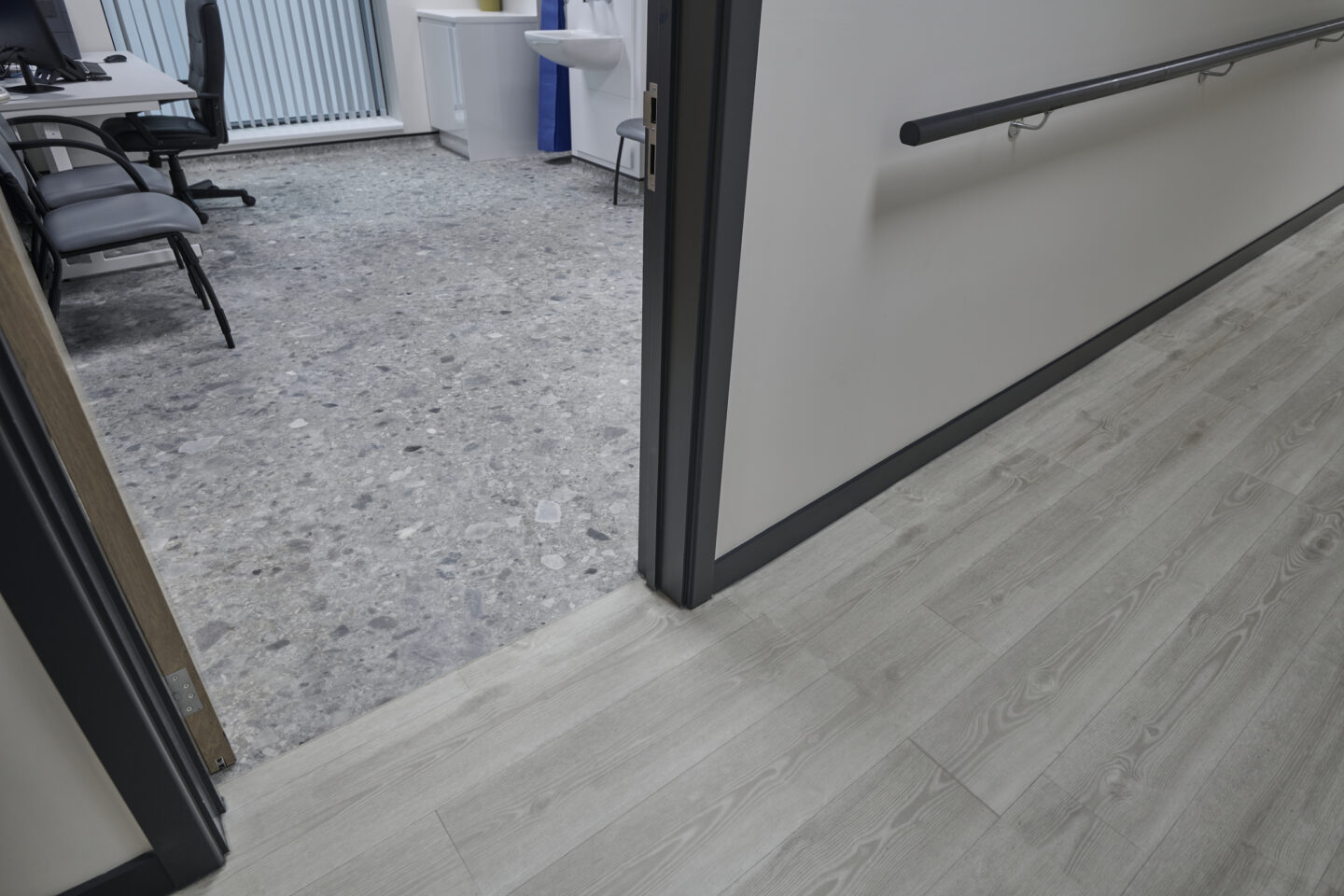
Seamless flooring systems are commonly specified to eliminate areas where dirt and contaminants can accumulate. Wall panels are often selected for their smooth surfaces and resistance to chemicals. Junctions between surfaces should be carefully detailed to remove crevices and simplify cleaning procedures.

Durability is particularly important in pharmaceutical and laboratory environments where facilities operate continuously. Investing in robust materials can reduce long-term maintenance costs and support ongoing compliance with cleanliness standards.

Compliance, Validation and Testing

Regulatory compliance extends beyond the construction phase. Once the clean room has been completed, comprehensive testing and validation must be carried out to confirm that performance targets have been achieved.

Validation typically includes airflow testing, particle counting, pressure monitoring, filter integrity testing, and environmental performance assessments. These activities provide documented evidence that the facility meets the required standards.

Organisations such as the International Society for Pharmaceutical Engineering (ISPE) provide valuable guidance on best practices for clean room facilities and pharmaceutical environments. Incorporating recognised industry guidance throughout the project can support smoother approval processes and reduce operational risks.

Working with an Experienced Design and Build Partner

Clean room projects involve numerous technical disciplines, including architecture, mechanical and electrical services, specialist equipment integration, compliance management, and fit-out delivery. Coordinating these elements effectively requires strong project leadership and sector-specific knowledge.

At Ben Johnson Interiors Ltd, our experienced team manages projects from concept design and space planning through to fit-out and refurbishment delivery. With decades of experience across laboratories, healthcare facilities, and specialist commercial environments, we understand the importance of quality, safety, and attention to detail throughout every stage of the process. Our in-house project management and site supervision teams help ensure smooth delivery while maintaining high standards of health and safety.

Planning for Future Growth

A well-designed clean room should support current operational requirements while providing flexibility for future expansion. Pharmaceutical manufacturing processes, laboratory activities, and healthcare services often evolve over time, creating new demands on facilities.

Considering future equipment upgrades, additional production capacity, and changing regulatory requirements during the design stage can help extend the lifespan of the facility. Flexible layouts, adaptable service infrastructure, and scalable environmental systems can reduce future disruption and support long-term business objectives.

By taking a strategic approach to clean room design and build projects, organisations can create high-performing environments that support compliance, efficiency, and operational success for many years to come.

Back to top