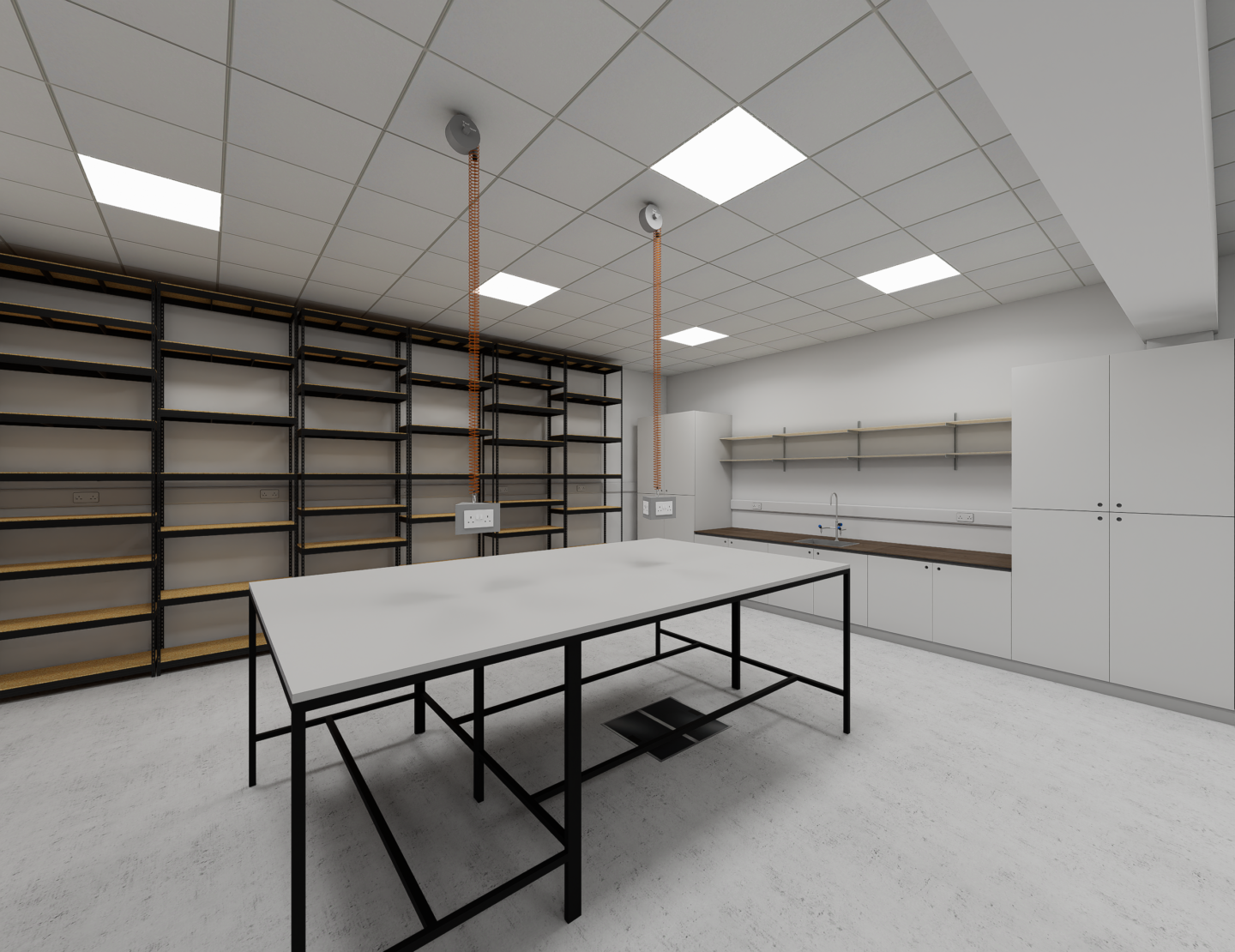
Understanding Lab Types: Wet vs Dry Laboratories.

A critical early decision in any life science project is whether the laboratory is classified as wet, dry, or a hybrid of both.

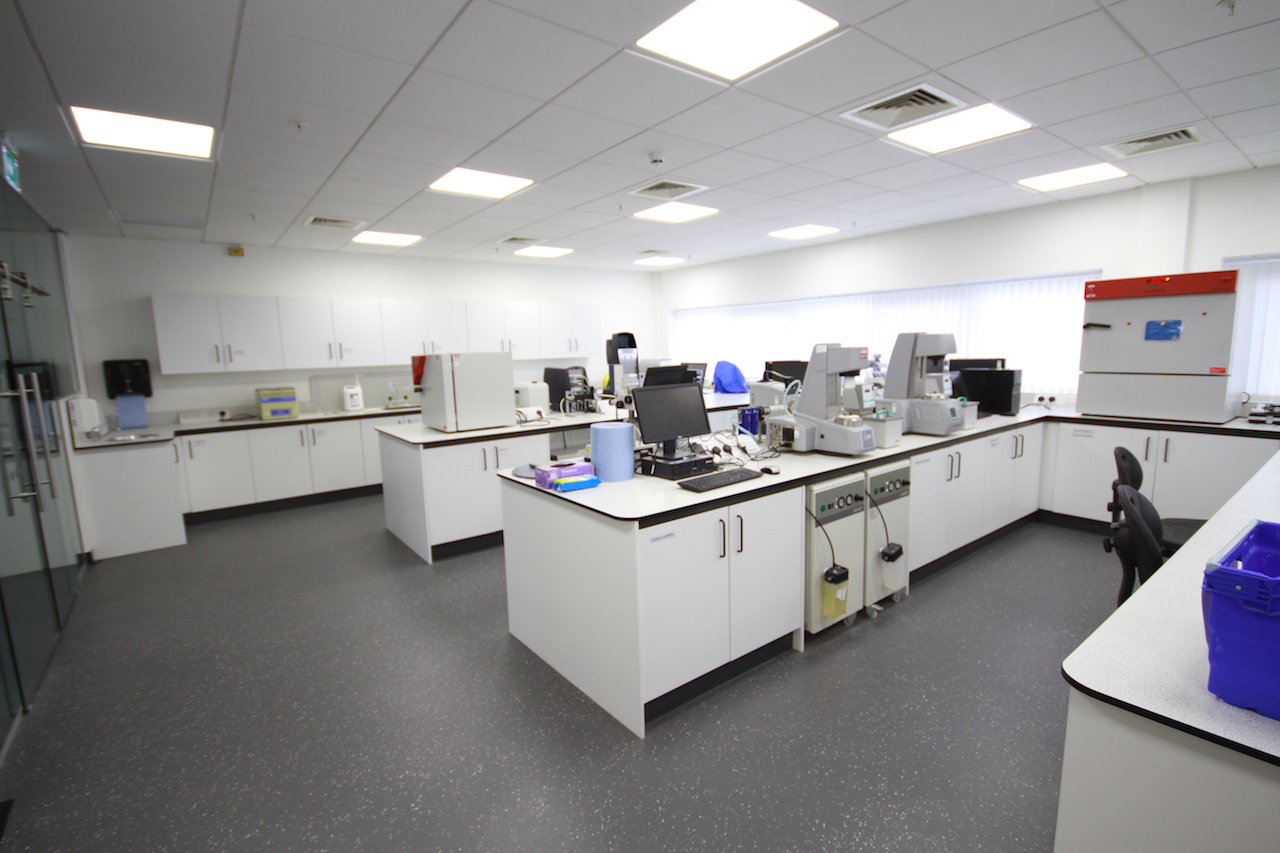
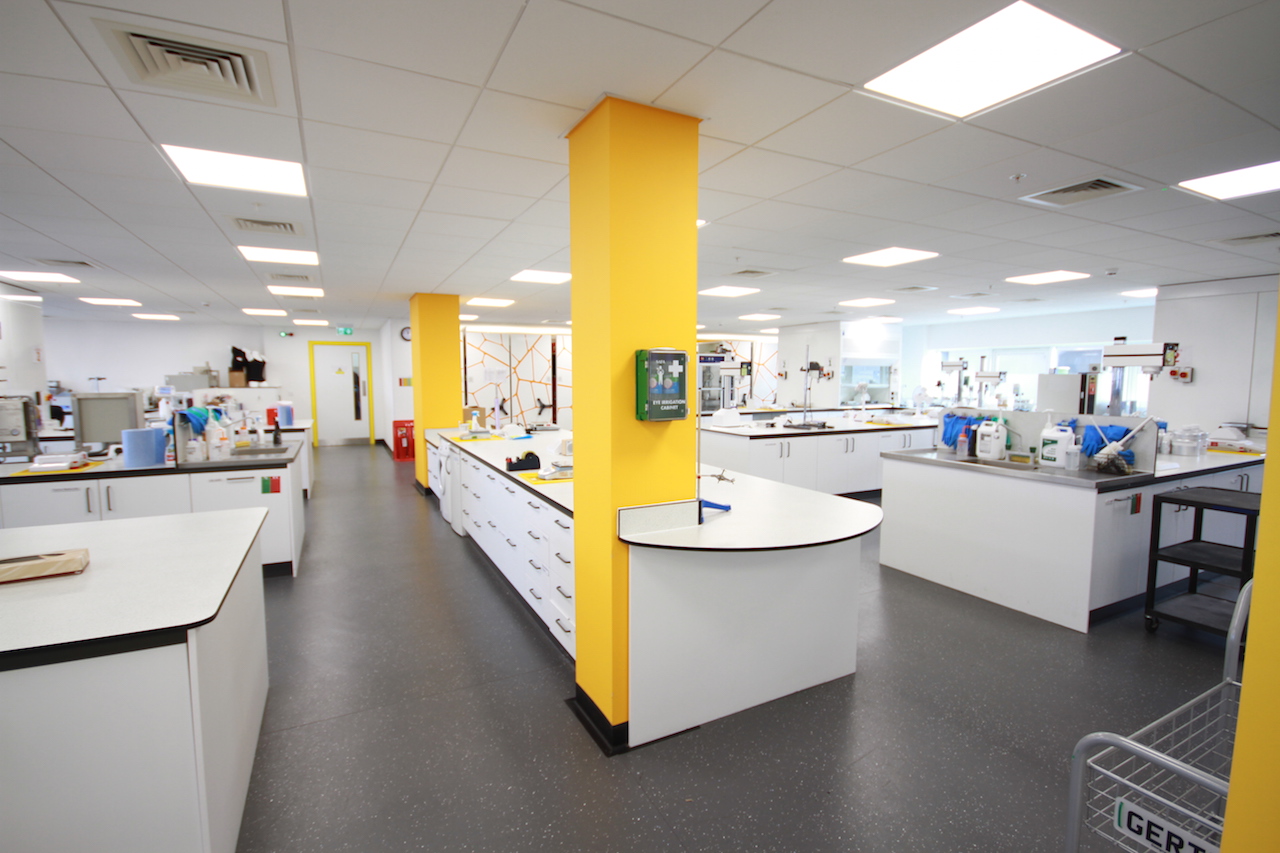
Wet laboratories involve physical experimentation using chemicals, biological matter, or reagents. These spaces demand specialist infrastructure such as enhanced ventilation, chemical-resistant surfaces, dedicated drainage, and strict safety zoning.

Dry laboratories focus on computational research, simulations, and data analysis. While less infrastructure-heavy, they require precise environmental control, high-capacity power and data, and flexibility to adapt to fast-changing technologies.

Correctly defining the lab type early informs every downstream decision,  from building services to finishes and future-proofing.
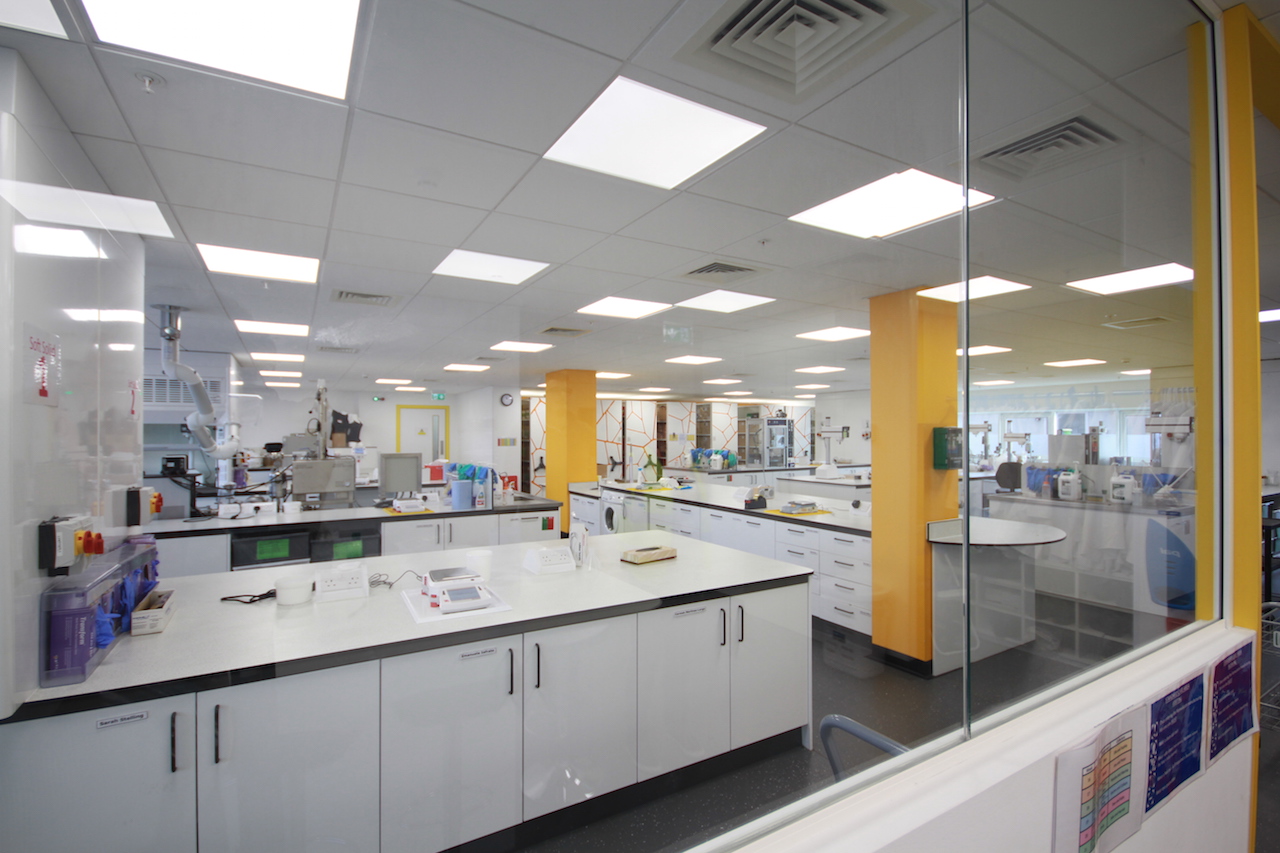
Designing Chemical Science Labs: Safety, Functionality & Flexibility

Chemical science laboratories require a meticulous approach to design — where safety and compliance are embedded from day one, not retrofitted later.

1. Define Purpose and Scope

A successful lab begins with absolute clarity around:

  • The tests and experiments being conducted
  • Equipment size, weight, and service demands
  • Occupancy levels and bench requirements
  • Potential future expansion or changes in research direction
  • This ensures the lab remains operationally efficient and adaptable as research evolves.

2. Safety & Regulatory Compliance

Safety is non-negotiable. Our team designs laboratories fully compliant with relevant local and national regulations, incorporating:

  • Segregated chemical storage and hot zones
  • Emergency showers, eyewash stations, and clear egress routes
  • Electrical override switches at exit points
  • Access-controlled areas and security systems where required

3. Layout & Workflow Planning

Efficient labs minimise unnecessary movement while supporting logical testing sequences. Modular benches, localised storage, and durable, chemical-resistant work surfaces ensure both safety and flexibility.

4. Robust Infrastructure & Sustainability

Chemical labs place heavy demands on M&E systems. We design:

  • Independent temperature and extraction systems
  • Waterproof and load-rated electrical services
  • Flexible service distribution via dado trunking
  • Sustainability is also integrated through waste segregation, durable materials, and future-ready service strategies.

Designing Food Testing & Culinary Science Labs

Food science laboratories must balance hygiene, safety, workflow efficiency, and often client-facing presentation.

Purpose-Led Design

Recipe development kitchens differ significantly from product scale-up environments. Early definition ensures the correct appliances, services, and spatial zoning are incorporated.

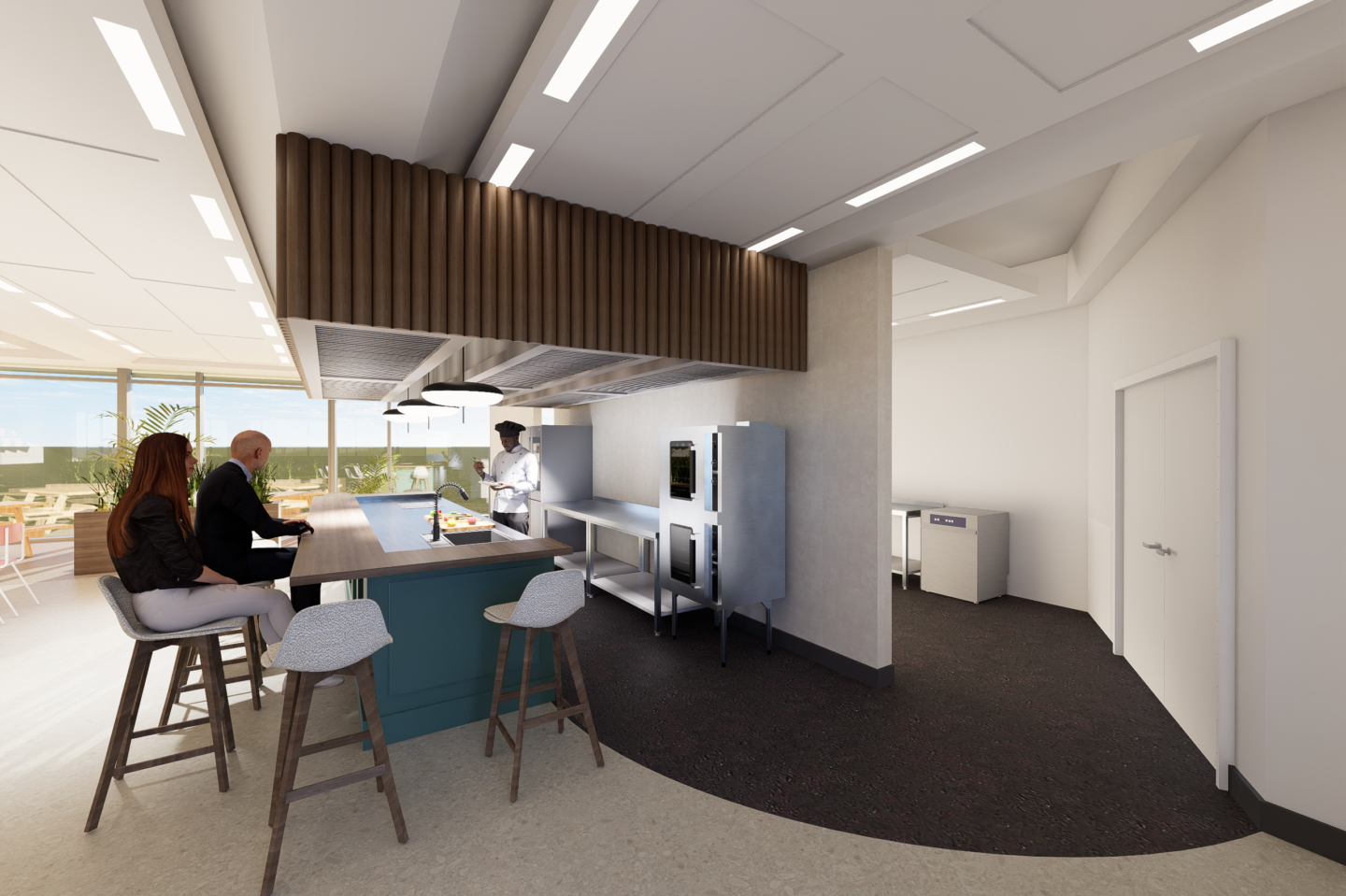
In client-facing labs, viewing areas, presentation islands, and live-streaming capabilities can be integrated without compromising hygiene or testing accuracy.

Zoned Layouts for Safety

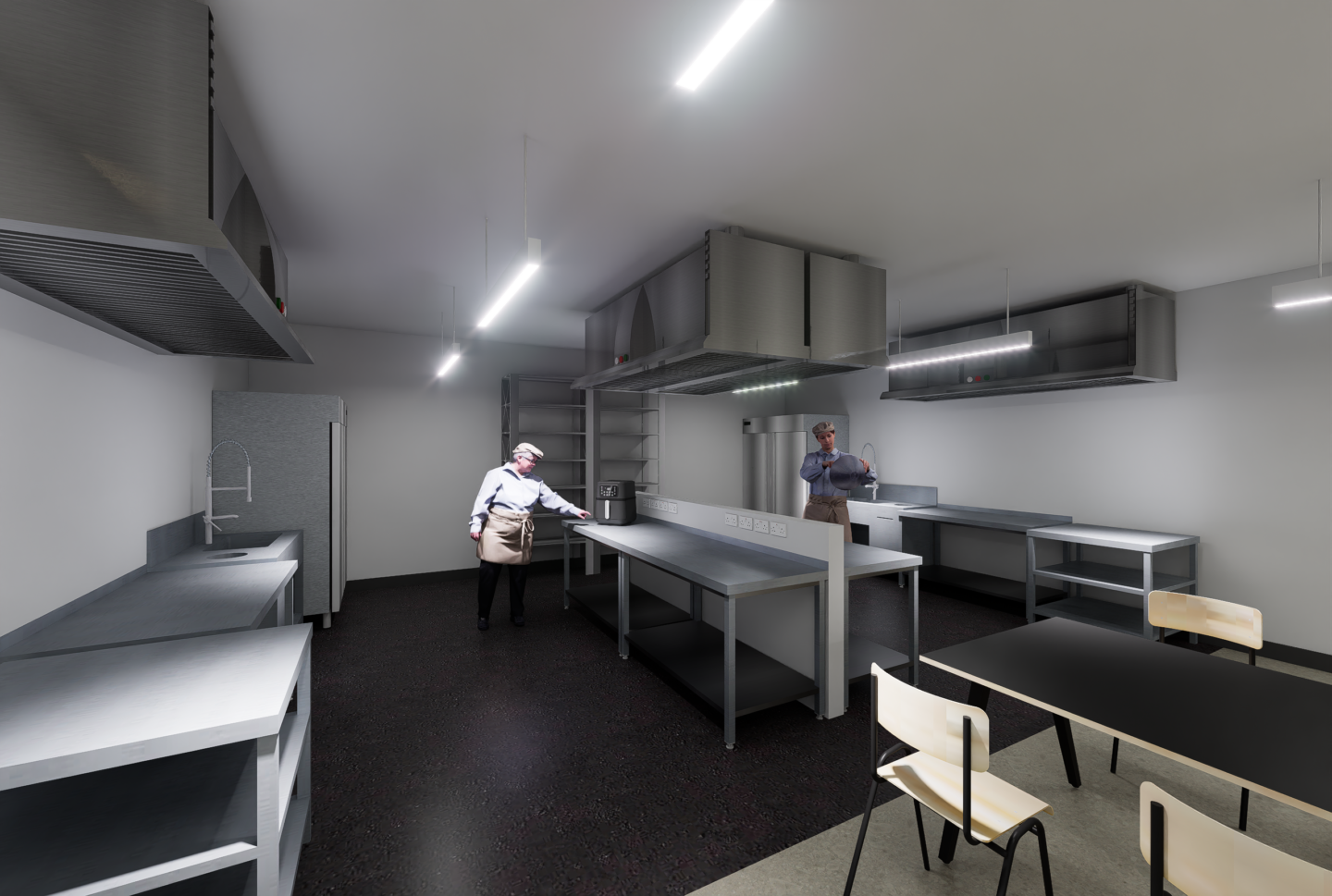
Linear, zoned layouts prevent cross-contamination and support efficient workflows. Dedicated preparation, cooking, cleaning, and analysis zones ensure compliance with food safety regulations.

Hygiene, Safety & Finishes

Key considerations include:

  • Handwashing stations throughout
  • Emergency gas and electrical cut-off switches
  • Odour and noise management
  • Durable, easy-clean finishes such as stainless steel, vinyl flooring, and coved edges

Supporting Innovation Through Intelligent Design

R&D testing environments must support both creativity and precision. We design:

Informal Prototype Spaces

Flexible, robust environments that encourage hands-on experimentation, featuring:

  • Modular benches and adaptable layouts
  • Integrated specialist equipment
  • Environmental controls, shielding, and clean zones where required
  • Formal Testing Facilities

Precision-engineered spaces designed to meet BS, EN, and ISO standards, enabling:

  • Controlled and repeatable testing
  • Full traceability and compliance
  • Confidence at every stage of product validation
  • Health, safety, and regulatory compliance sit at the core of every formal testing environment we deliver, safeguarding teams, products, and reputations.
Back to top