Unlocking Value in Existing Assets as Grade A Supply Diminishes

With Grade A office availability continuing to tighten across many UK cities, landlords and investors are facing an important question:

Should they wait for the market to improve, or invest now to reposition existing assets?

At Ben Johnson Interiors, we believe the answer is clear.

As occupiers compete for a shrinking pool of premium office space, the opportunity to unlock value within existing buildings has never been greater. Through strategic office refurbishment for landlords, older and underutilised assets can be transformed into attractive workplace destinations that meet modern occupier expectations, drive rental value and enhance marketability.

The next successful office building may not be a new development. It could already be sitting within your portfolio.
Grade A Office Supply is Tightening Across the UK

Demand for high-quality office space remains strong, particularly from organisations seeking to attract talent, support hybrid working and improve employee experience.

However, the supply of new Grade A office space is becoming increasingly constrained.

Across many regional markets, development pipelines have slowed, construction costs remain high and new schemes are often several years away from completion. In Newcastle, for example, market commentators suggest that significant new office developments may not be delivered until later in the decade.

For occupiers looking to relocate or upgrade, available options are becoming increasingly limited.

For landlords, this creates a significant opportunity to reposition existing office buildings and capture demand from businesses still seeking quality workspace.

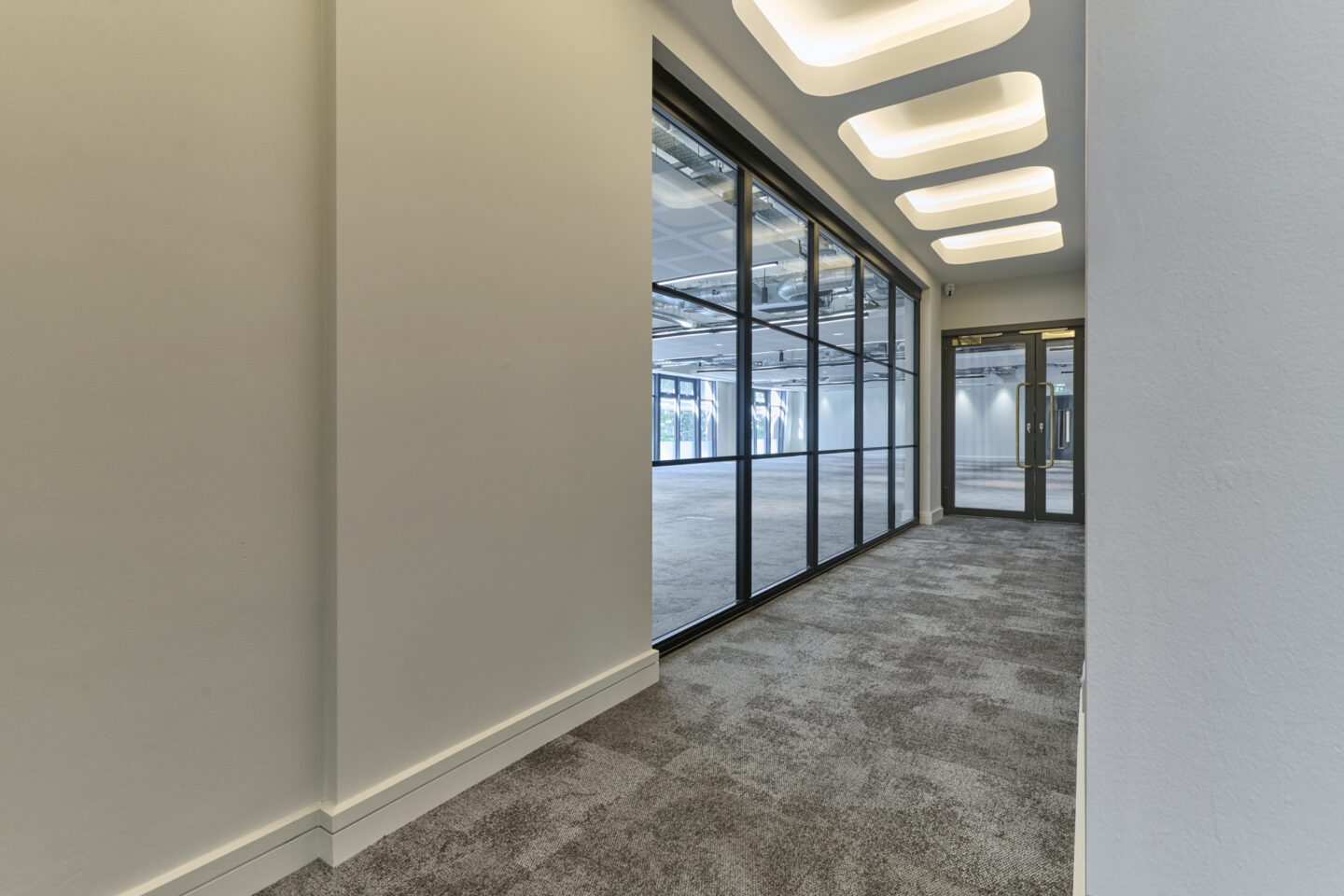
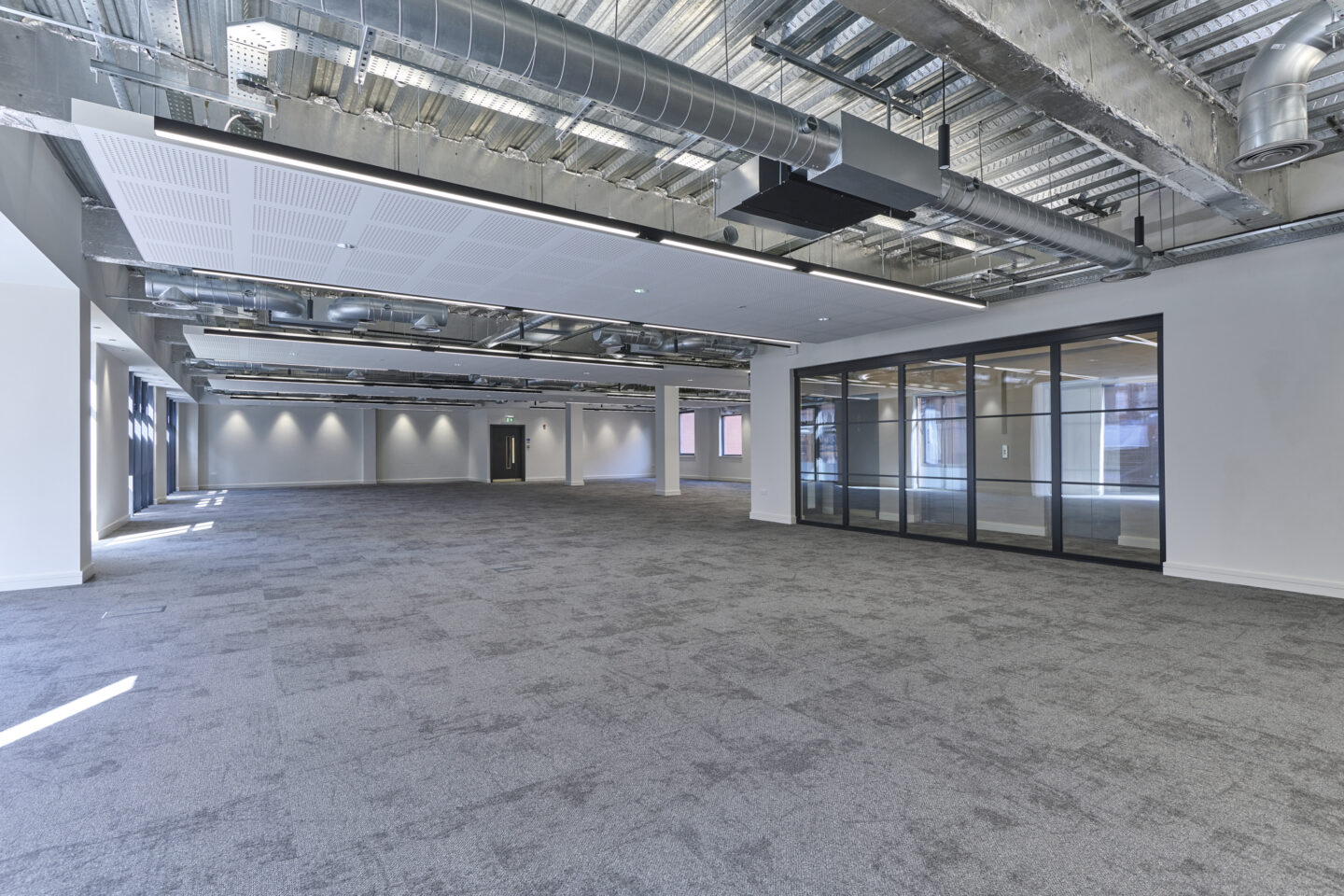
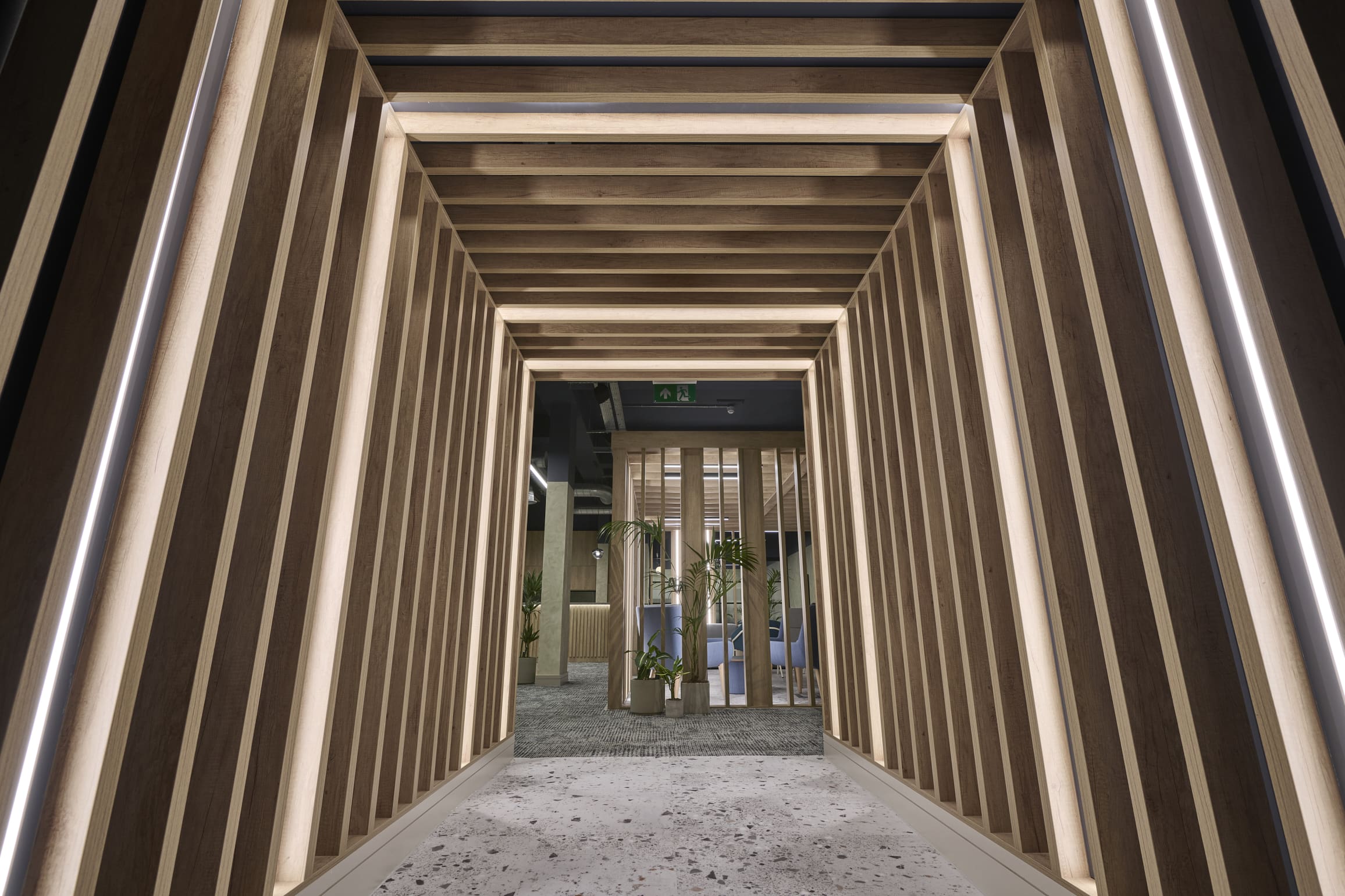
Transforming a vacant dark space into a tenant business hub

Are Occupiers Only Looking for Grade A Space?

One of the most common assumptions in the commercial property market is that occupiers will only consider Grade A buildings.

The reality is often very different.

While businesses undoubtedly want high-quality workplaces, they are also balancing budgets, sustainability objectives and changing operational requirements.

Many organisations are not searching for the newest building in town. They are searching for the building that best supports their people, culture and future growth.

A well-designed, refurbished workplace can often compete effectively with newer developments when it delivers:

  • · Strong first impressions
  • · Modern workplace amenities
  • · Flexible working environments
  • · Sustainable design solutions
  • · High-quality meeting and collaboration spaces
  • · Excellent connectivity and transport links

Increasingly, occupiers are assessing the workplace experience rather than focusing solely on a building’s Grade A classification.

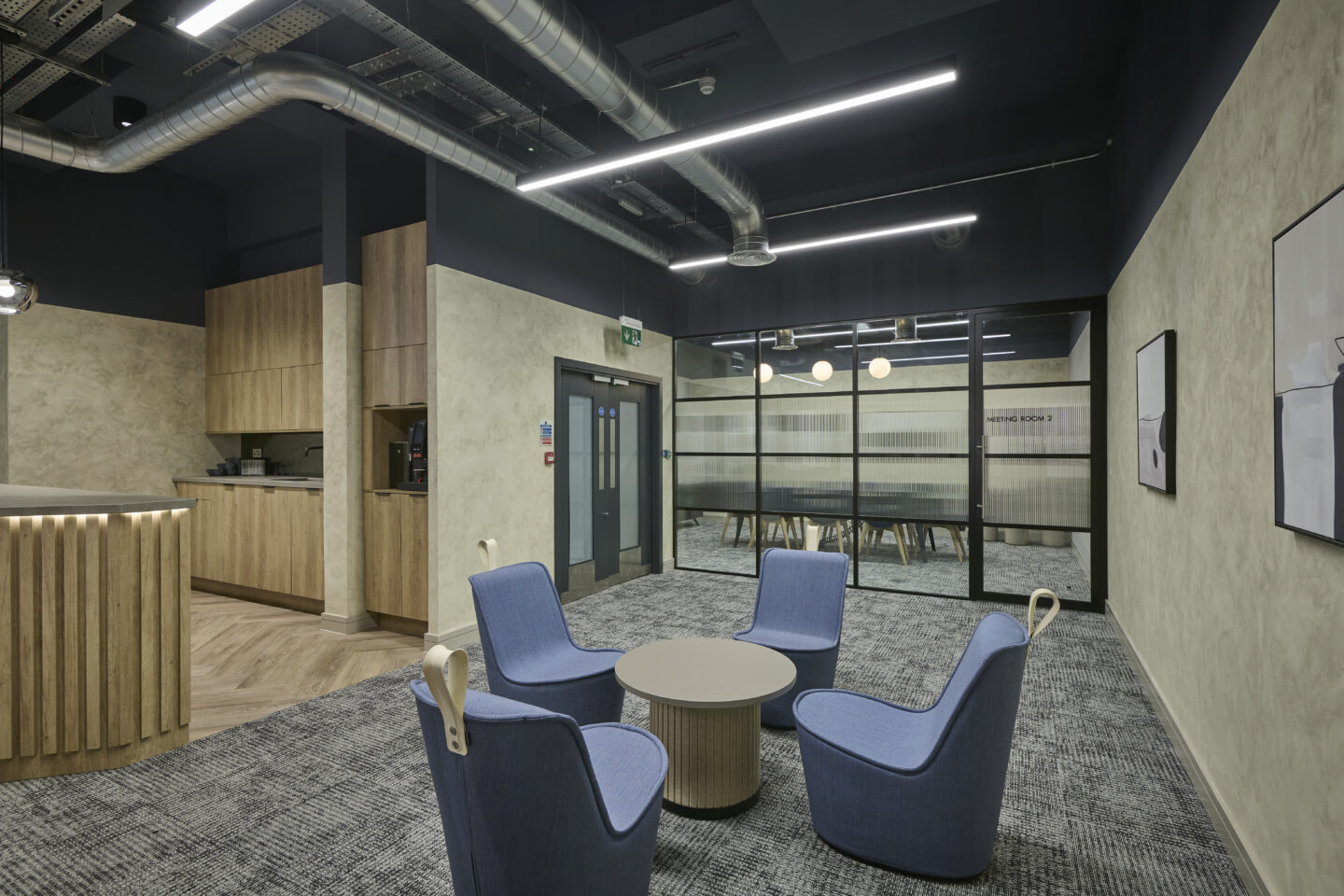
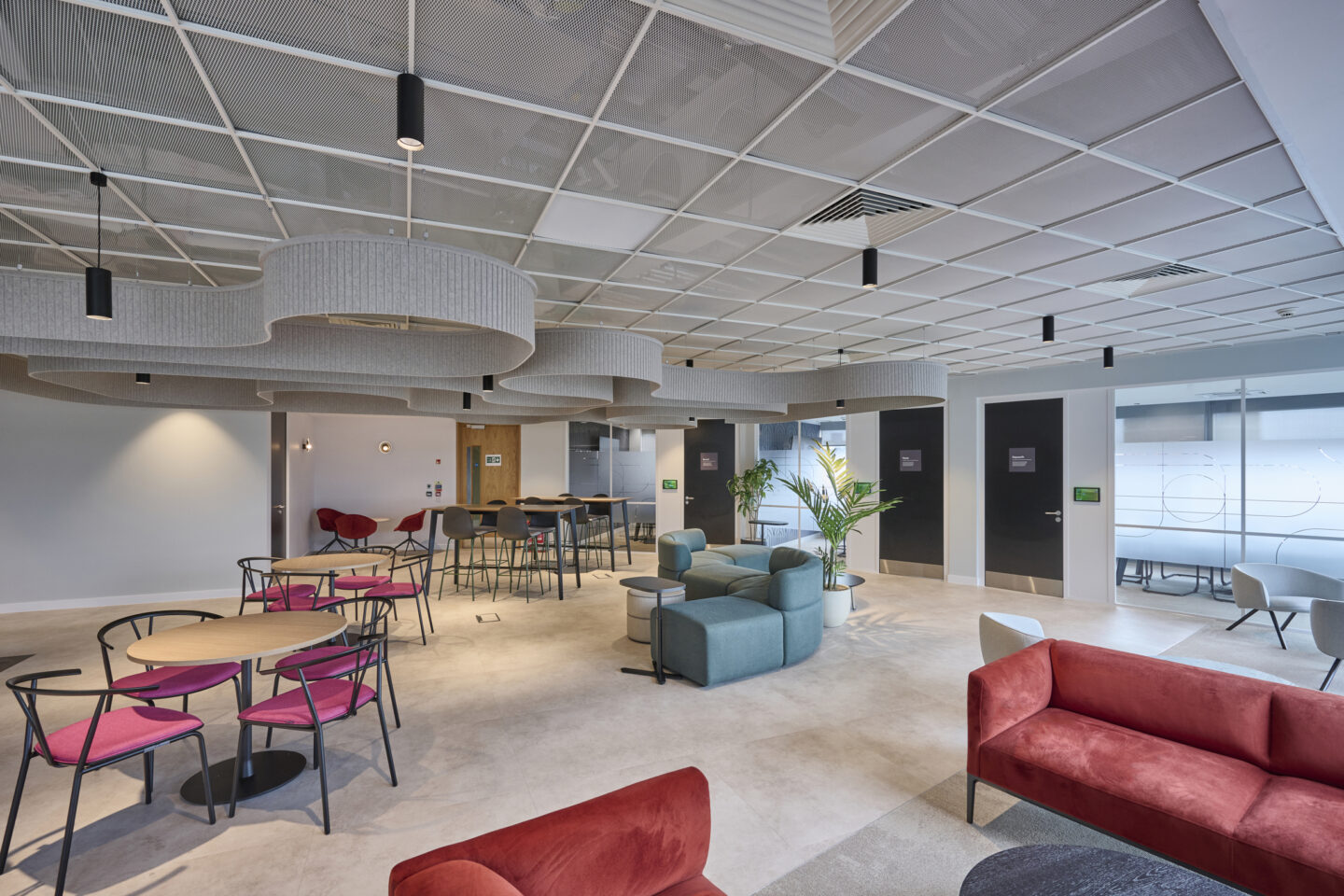
As demand for high-quality office space continues to grow, Earl Grey House, pictured, showcases the impact of targeted office refurbishment for landlords. The project repositioned the building, creating a contemporary and welcoming workplace for current and future occupiers.


Why Existing Assets Have a Competitive Advantage

Many older office buildings possess qualities that are difficult and expensive to replicate in new developments.

These can include:

Prime Locations

Many existing assets occupy established city-centre locations close to public transport, retail and leisure amenities.

Larger, More Flexible Floorplates

Older buildings often provide efficient floorplates that can be adapted to different workplace strategies and occupier requirements.

Character and Identity

Many occupiers are looking for distinctive workplaces that reflect their brand and culture. Existing buildings often offer architectural features and character that newer developments lack.

Sustainability Benefits

Reusing and refurbishing existing buildings can significantly reduce embodied carbon compared to demolition and new construction, helping landlords and occupiers support their ESG objectives.

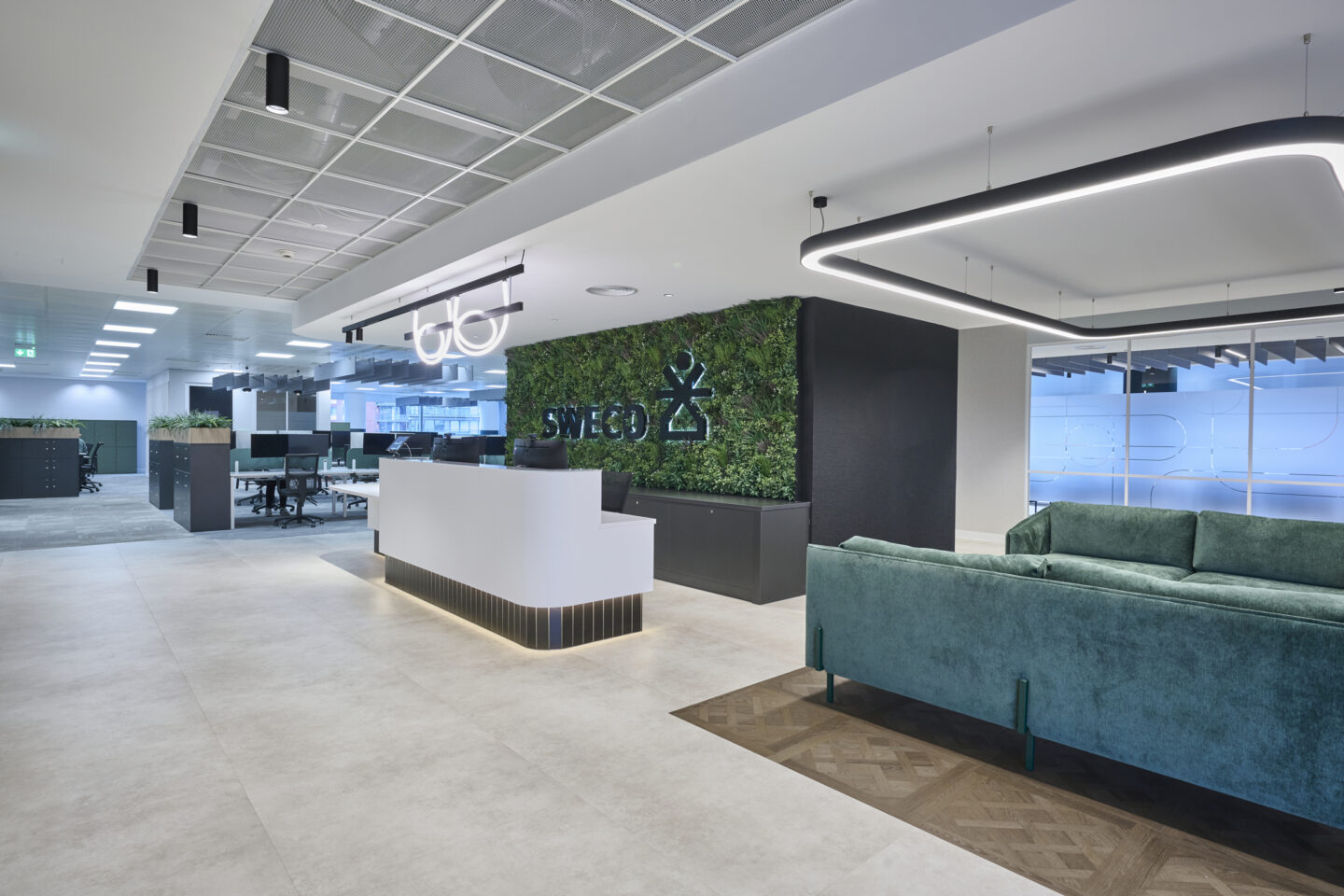
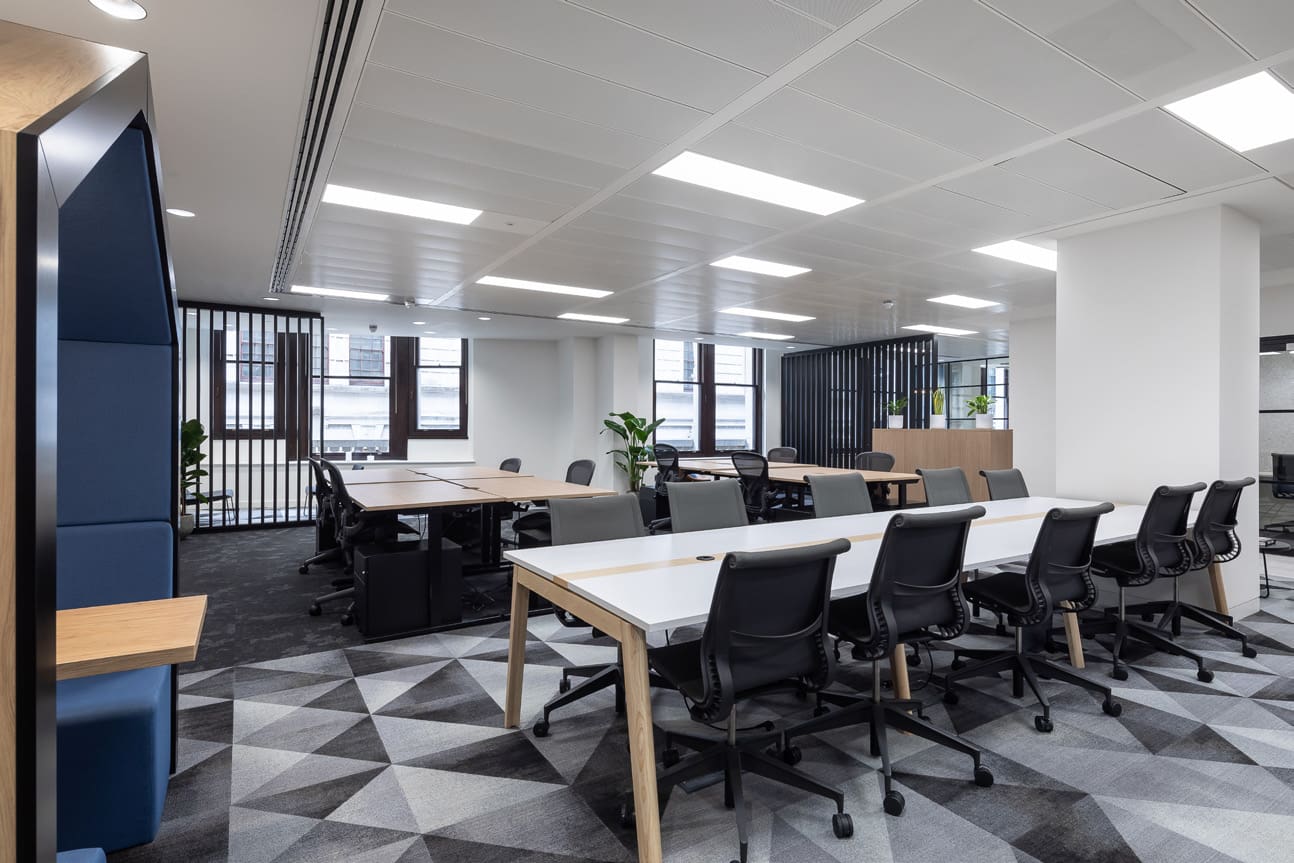
Pictured, 76 Wellington Street highlights the value of investing in existing office assets. Through a carefully considered refurbishment, the building was transformed into a modern workplace designed to attract and retain occupiers.

The Cost of Standing Still

While landlords may delay investment to reduce short-term expenditure, doing nothing can often become the more expensive option.

An uninvested asset typically faces:

  • · Longer void periods
  • · Increased leasing incentives
  • · Greater competition from upgraded stock
  • · Reduced rental growth potential
  • · Lower occupier engagement

As occupier expectations continue to evolve, buildings that fail to adapt risk becoming increasingly difficult to let.

Proactive investment allows landlords to stay ahead of demand and position their assets more effectively in a competitive market.

How Refurbishment Can Transform an Asset

The good news is that unlocking value doesn’t always require a major redevelopment.

Strategic interventions can deliver significant improvements in both perception and performance.

Examples include:

Creating a Strong Arrival Experience

Reception areas are often the first impression visitors and prospective tenants receive. Upgraded entrances, hospitality-inspired waiting areas and improved wayfinding can immediately elevate the building experience.

Modernising Shared Amenities

Breakout spaces, collaboration areas, wellness facilities and meeting environments have become increasingly important to occupiers.

Delivering Speculative Fit-Outs

Many occupiers struggle to visualise how empty space could work for their business.

Providing fitted and furnished suites removes this barrier and allows businesses to move more quickly.

Enhancing Sustainability Credentials

Targeted improvements to lighting, finishes, workplace settings and furniture can help improve environmental performance and support occupier sustainability goals.

Using Test Fits to Demonstrate Potential

One of the most effective ways to market an underperforming office building is through speculative workplace design and test-fit studies.

Rather than presenting prospective occupiers with a vacant floorplate, landlords can demonstrate:

  • · Different workplace layouts
  • · Collaboration and meeting spaces
  • · Occupancy capacities
  • · Flexible working environments
  • · Future fit-out possibilities

Test fits help occupiers visualise the opportunity and can significantly improve leasing conversations.

In many cases, demonstrating potential is just as important as making physical improvements to the building itself.

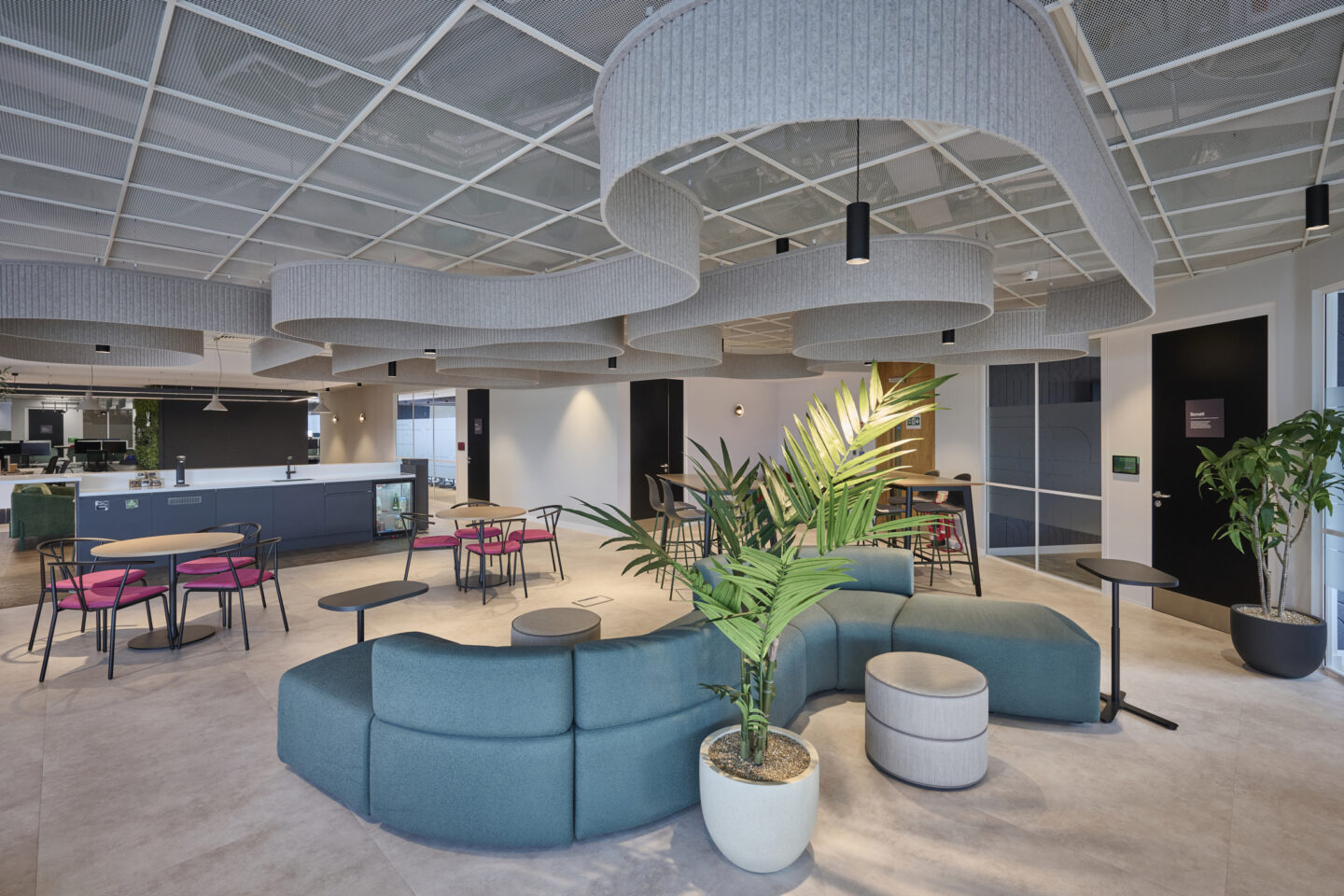
Pictured, Dixon House is a prime example of how office refurbishment for landlords can reposition an existing asset, transforming underutilised office space into an attractive workplace destination that meets modern occupier expectations and enhances long-term value.


Creating Workplace Destinations Rather Than Office Space

The most successful office buildings are no longer simply places where people work.

They are destinations that encourage collaboration, support wellbeing and help organisations attract and retain the best talent.

Whether through upgraded receptions, shared amenities, fitted workspaces or enhanced occupier experiences, landlords who invest in their assets today will be best placed to benefit from tomorrow’s demand.

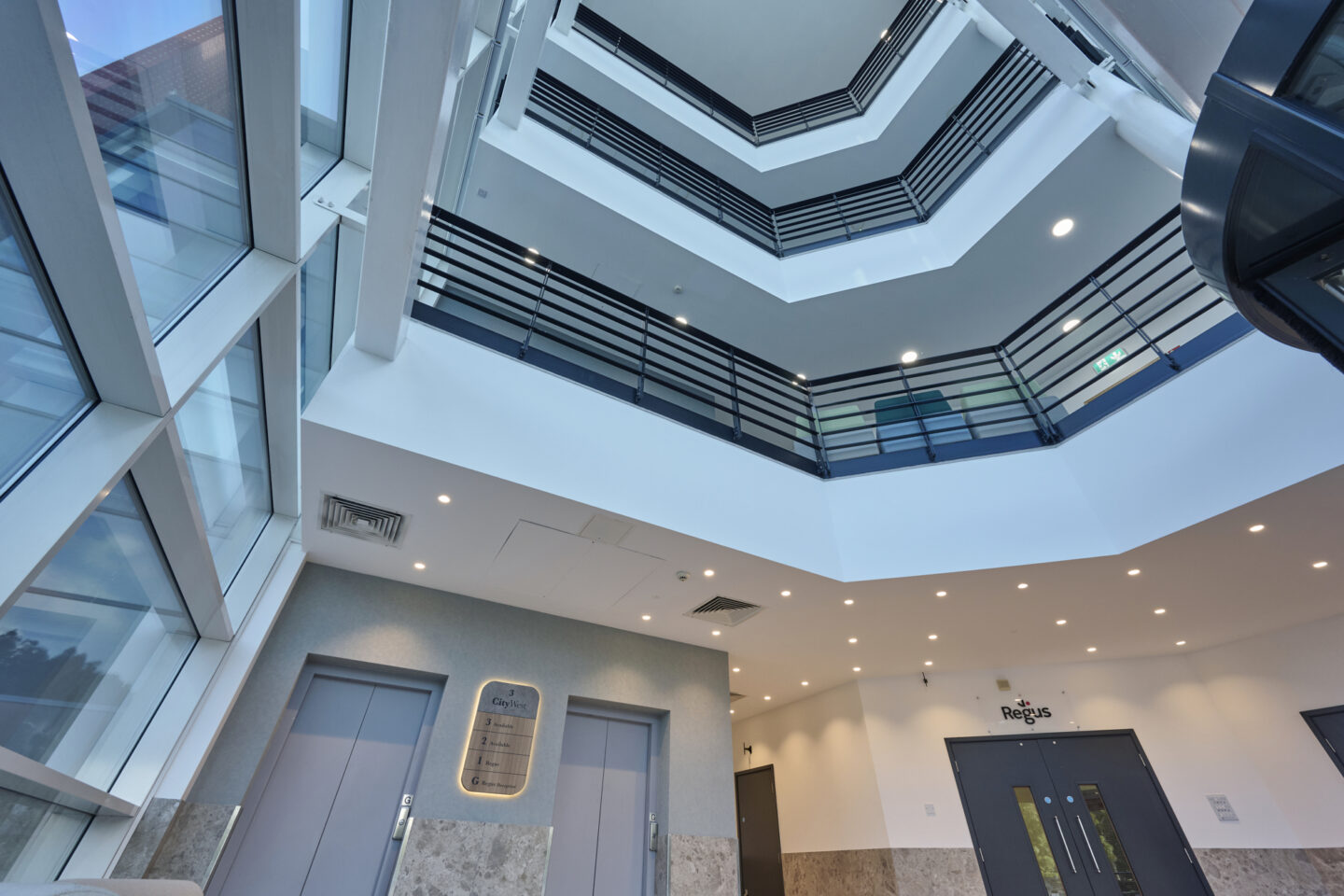
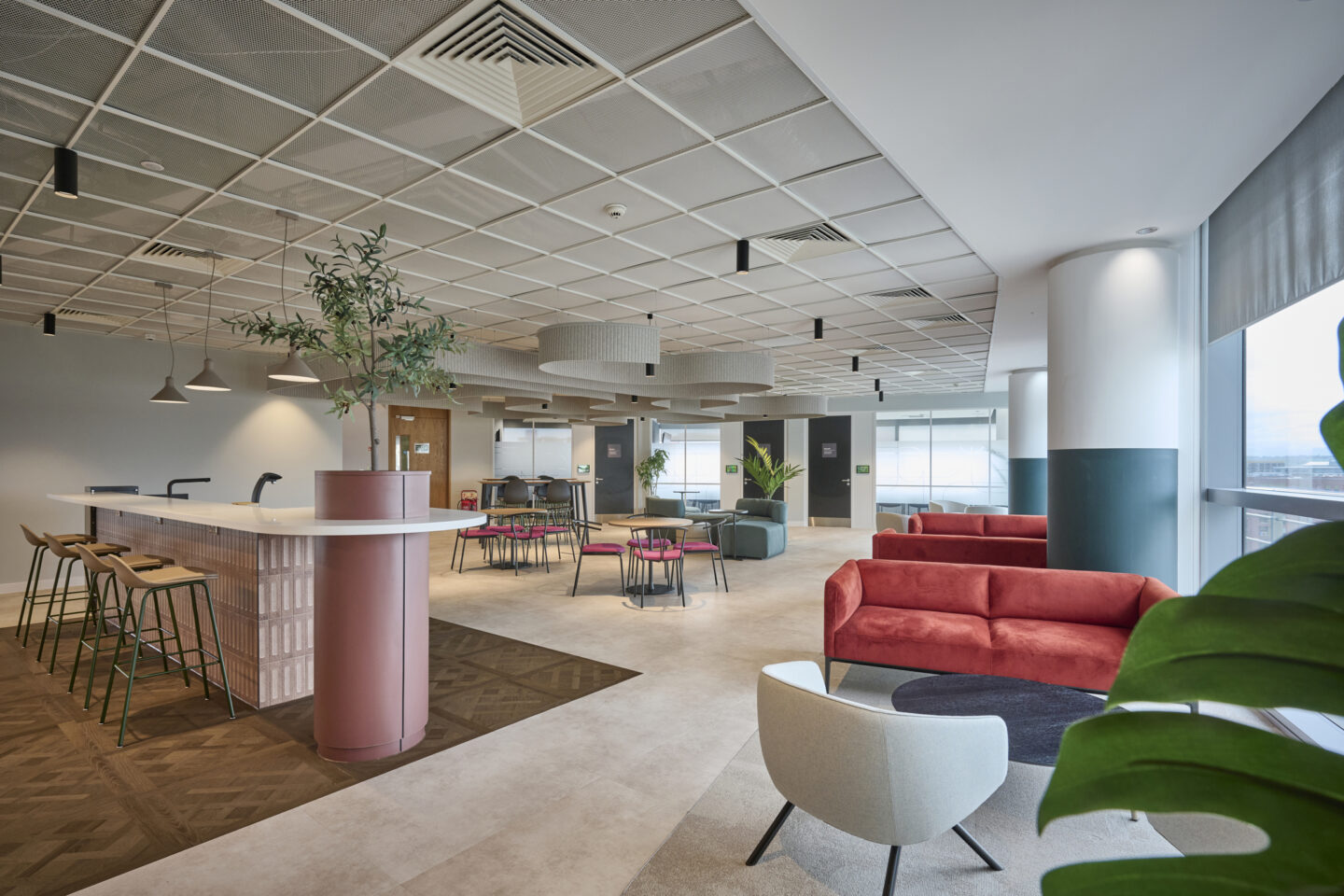
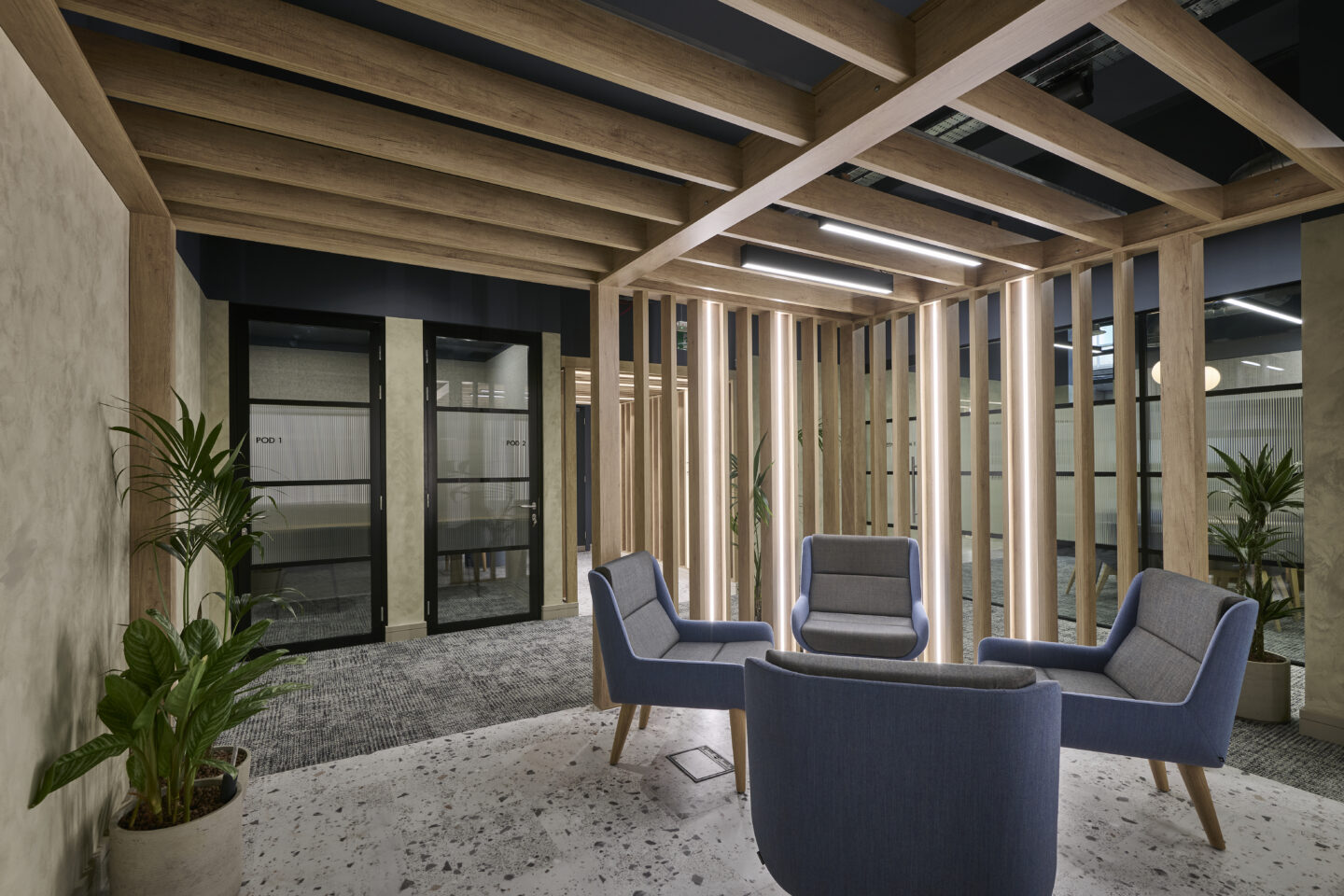
Our work with Davlea Estates at City West in Leeds and Building 300 in Birmingham are excellent examples of how thoughtful workplace design can enhance existing assets, improving their appeal, increasing marketability and supporting long-term value.

The Opportunity is Already There

As Grade A office supply continues to diminish across the UK, we expect increasing focus on the repositioning of existing office assets.

The buildings that thrive over the coming years will not necessarily be the newest.

They will be the buildings that understand what occupiers value and invest accordingly.

For landlords and investors, that represents a significant opportunity.

The next workplace success story may not require a new development at all. It may already exist within your portfolio.

Read what the press are saying about our recent transformation projects at York college here

Back to top