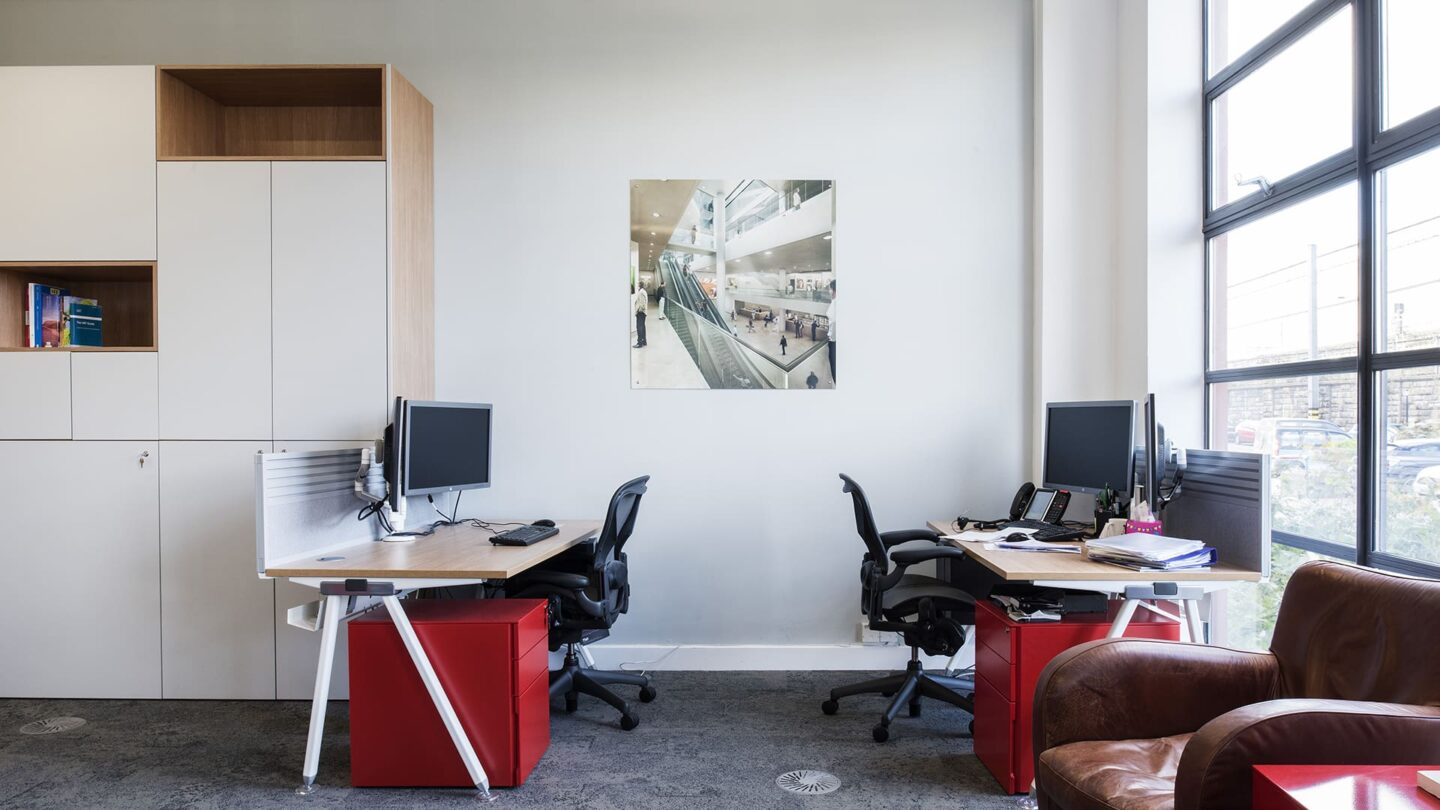
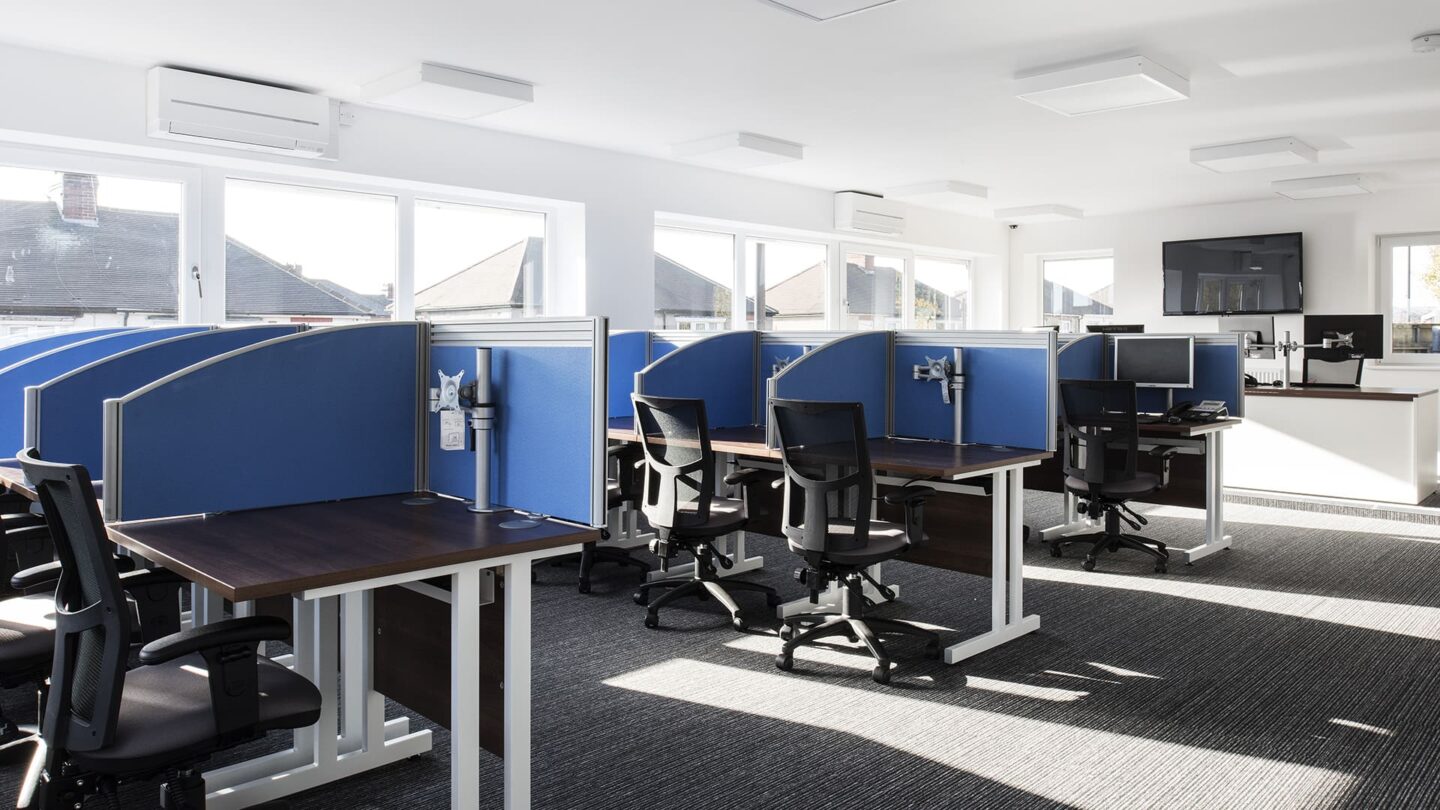
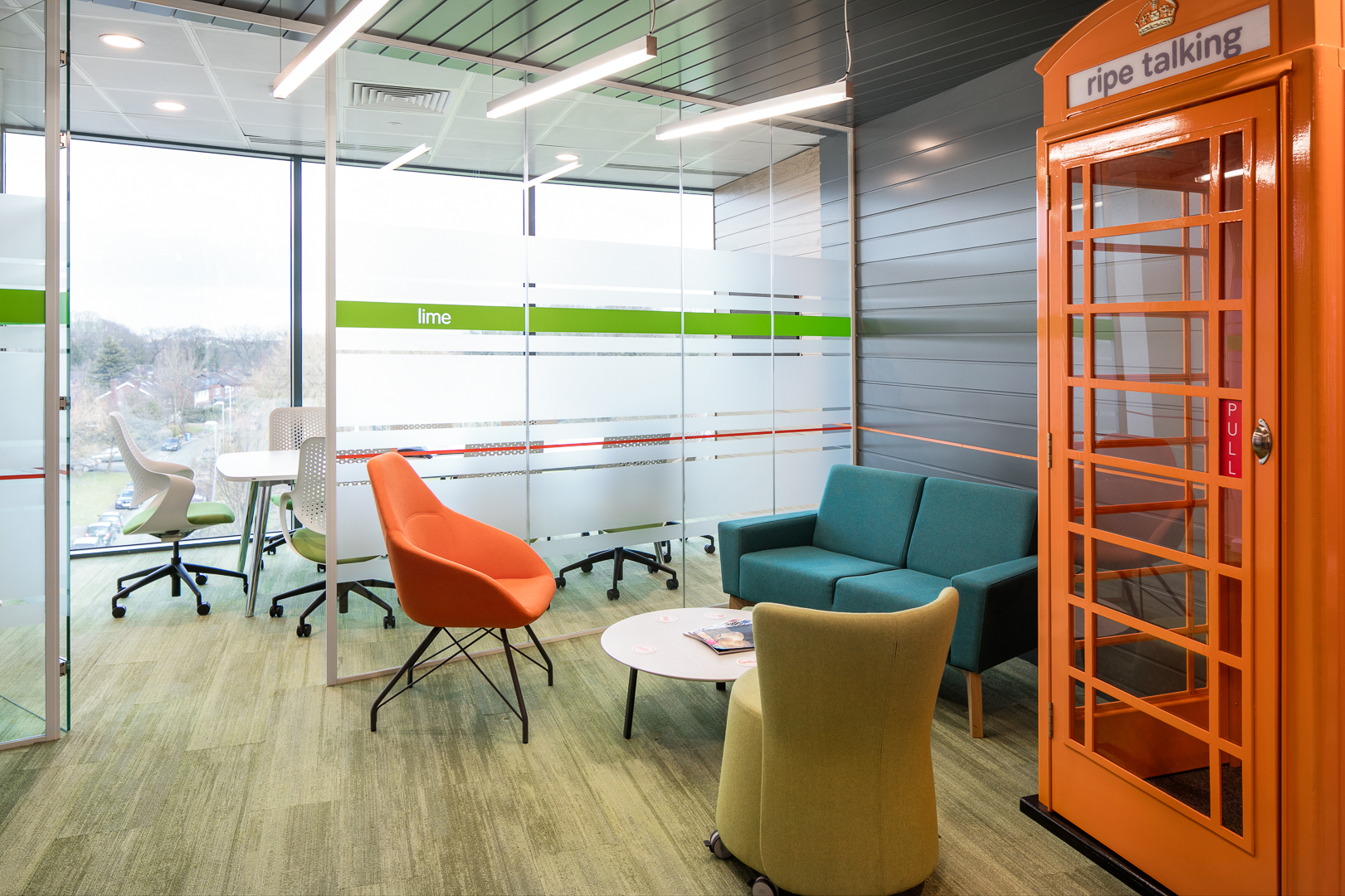
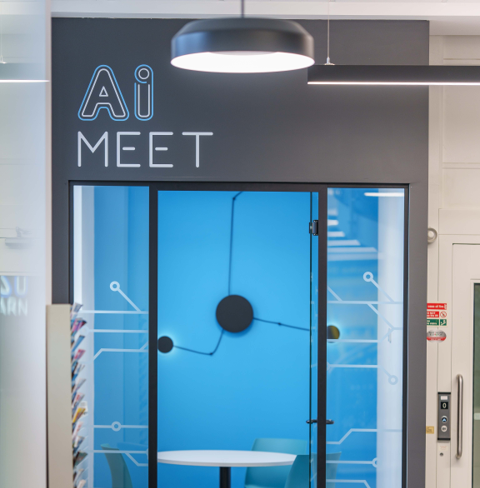
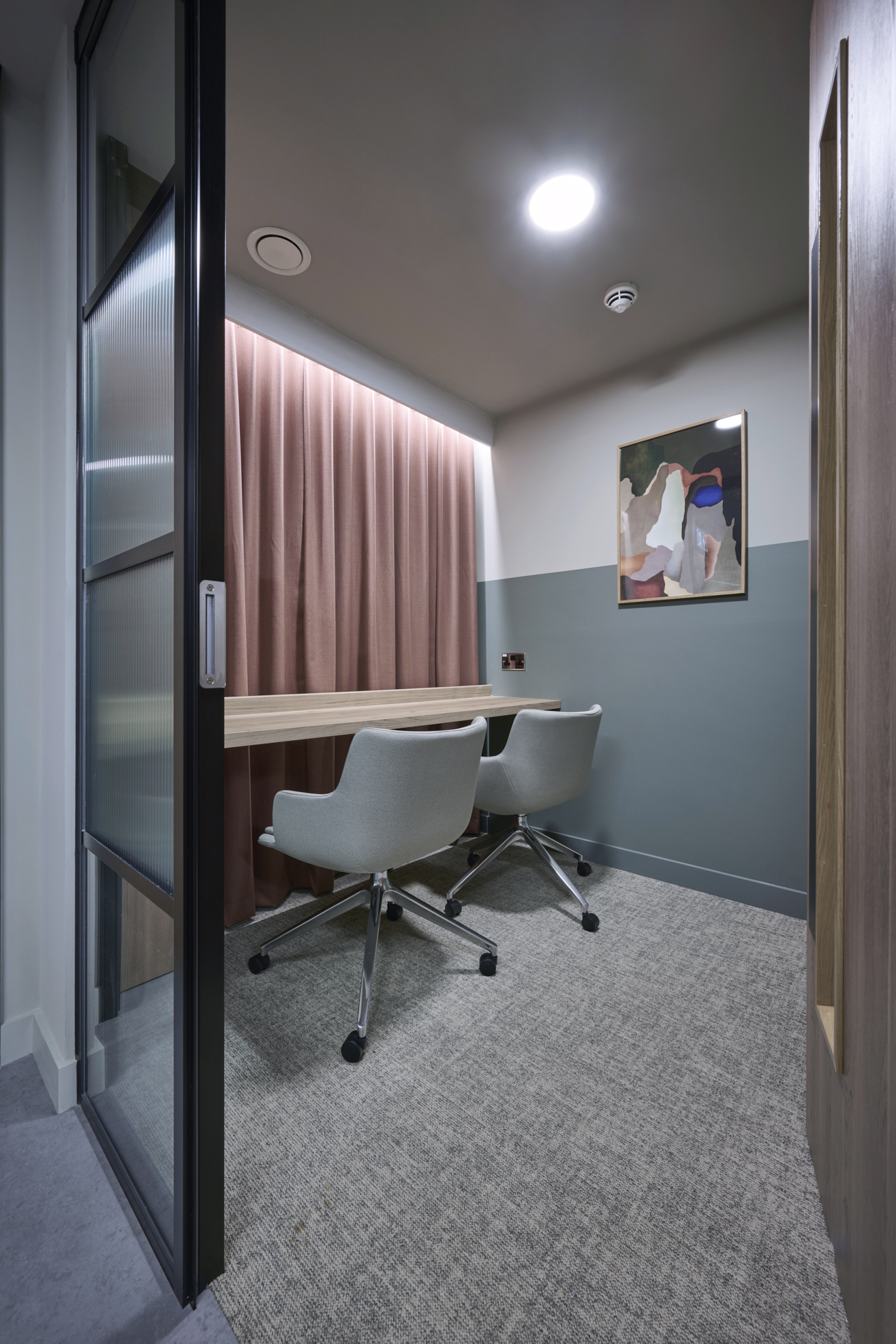
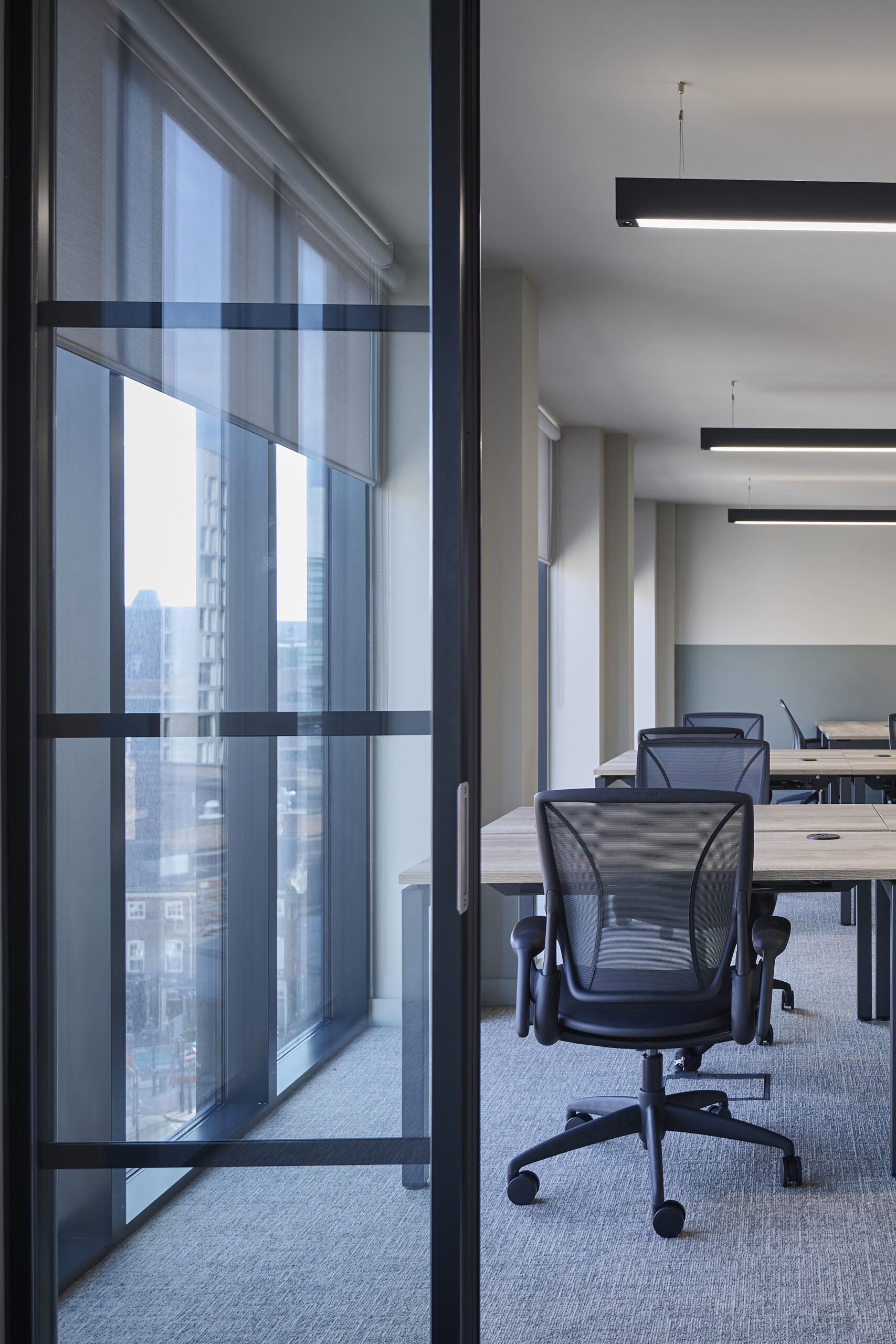
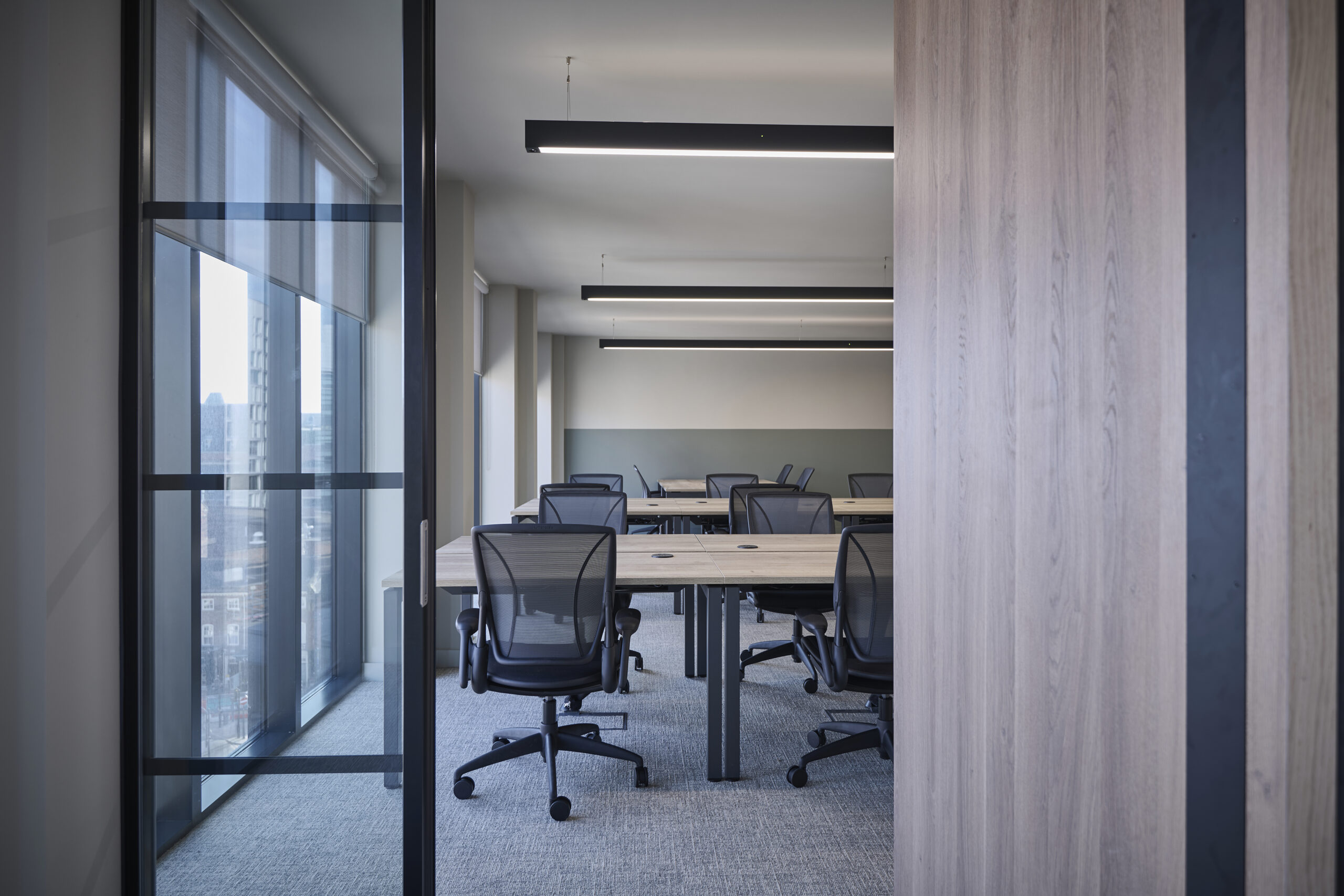
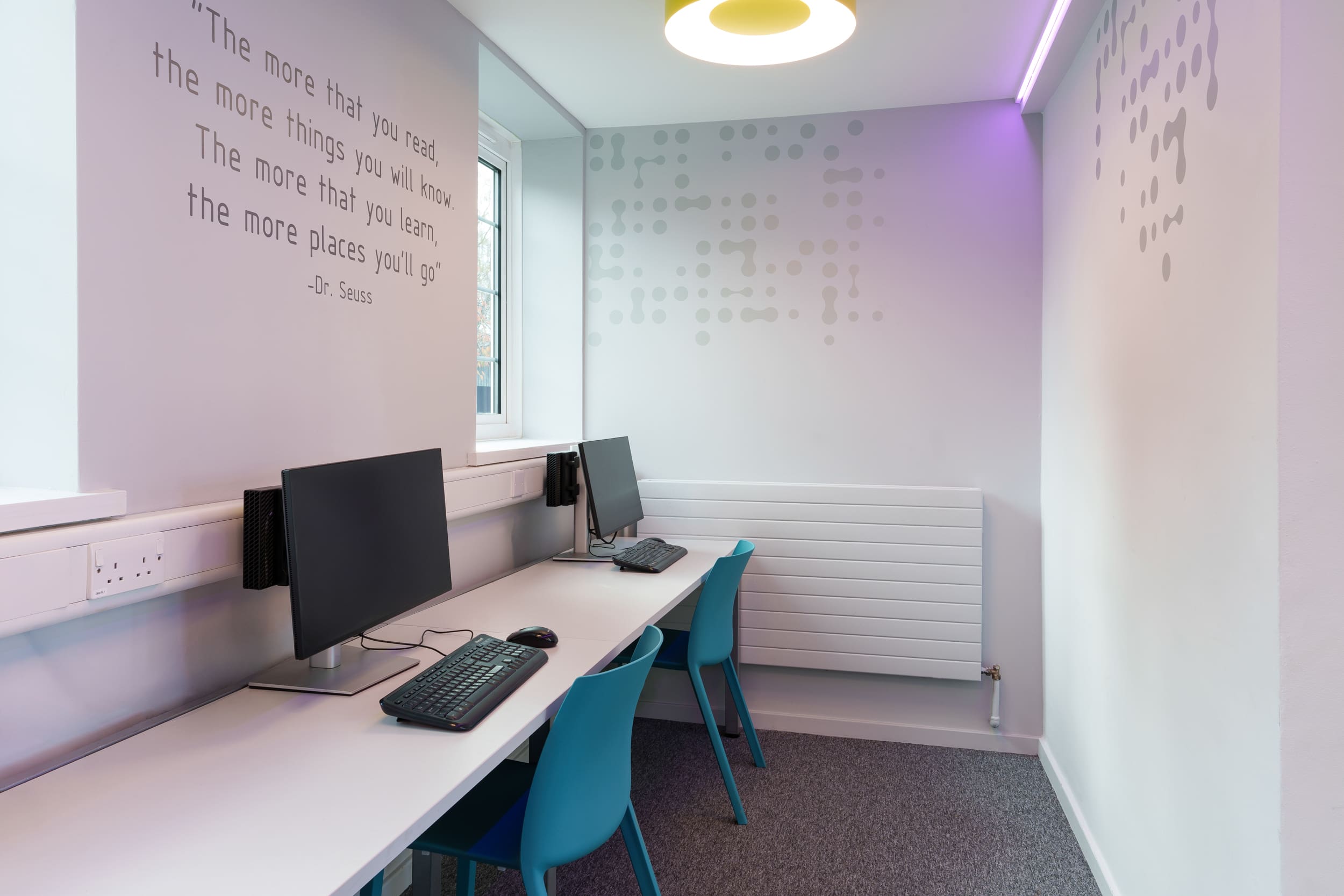
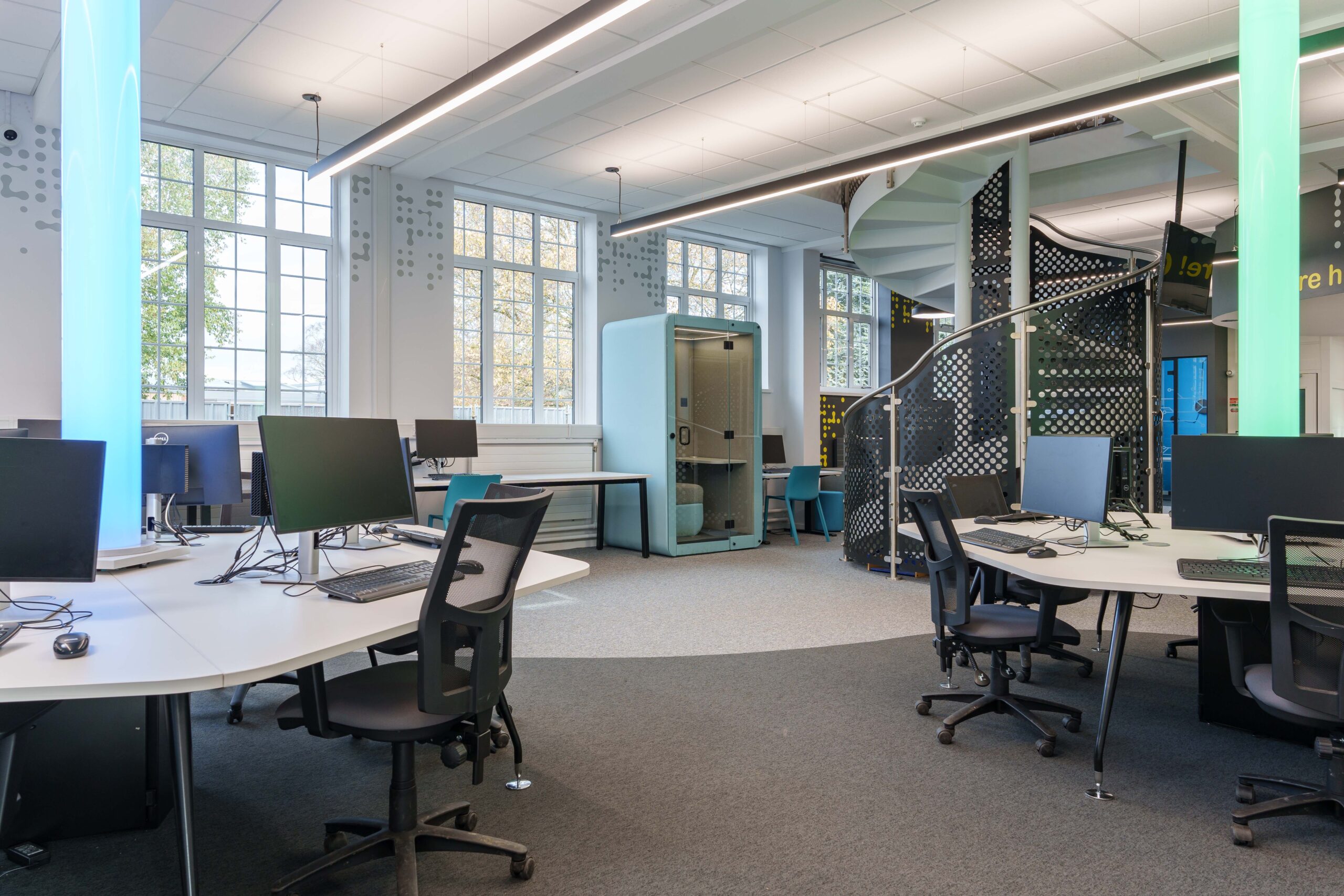
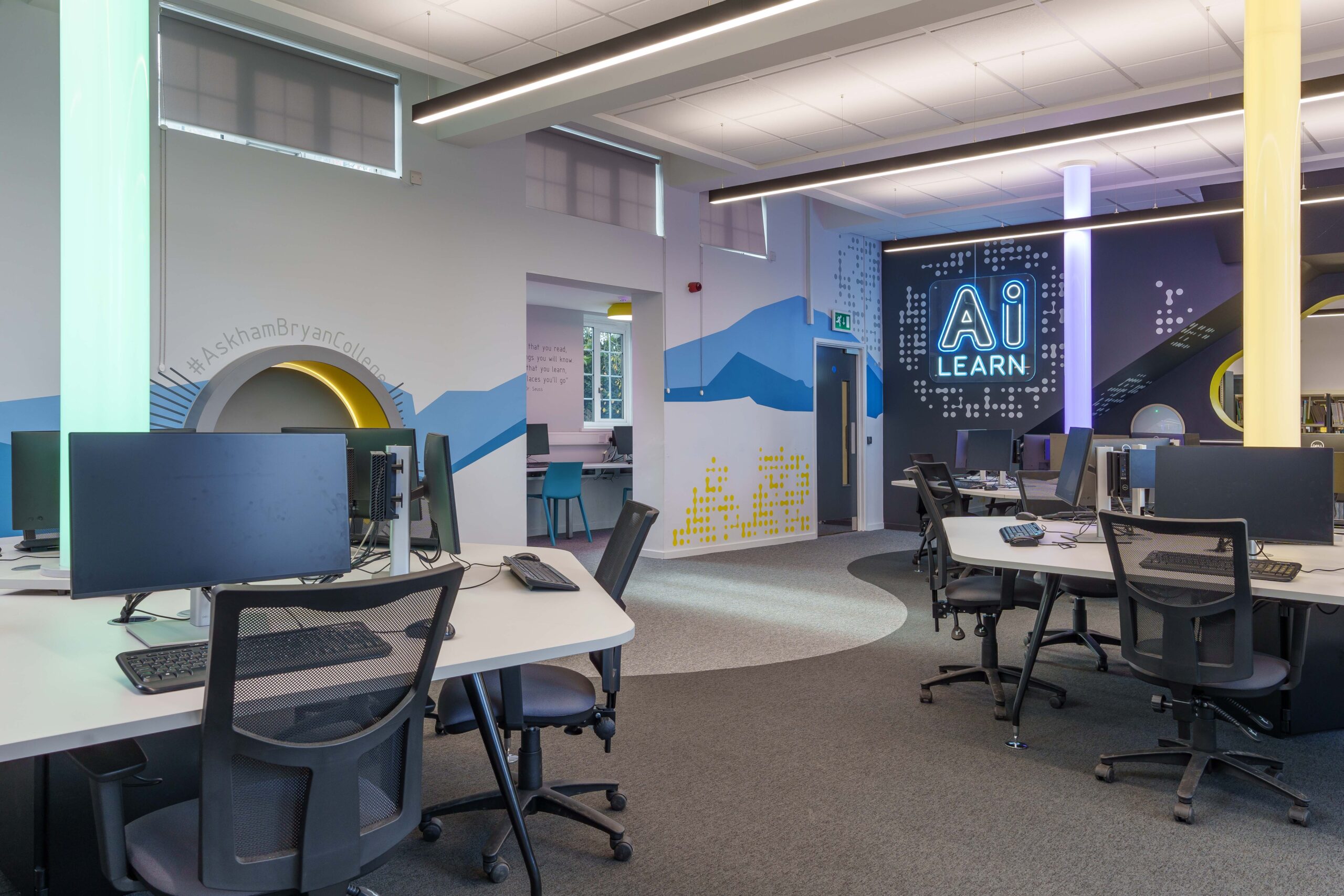
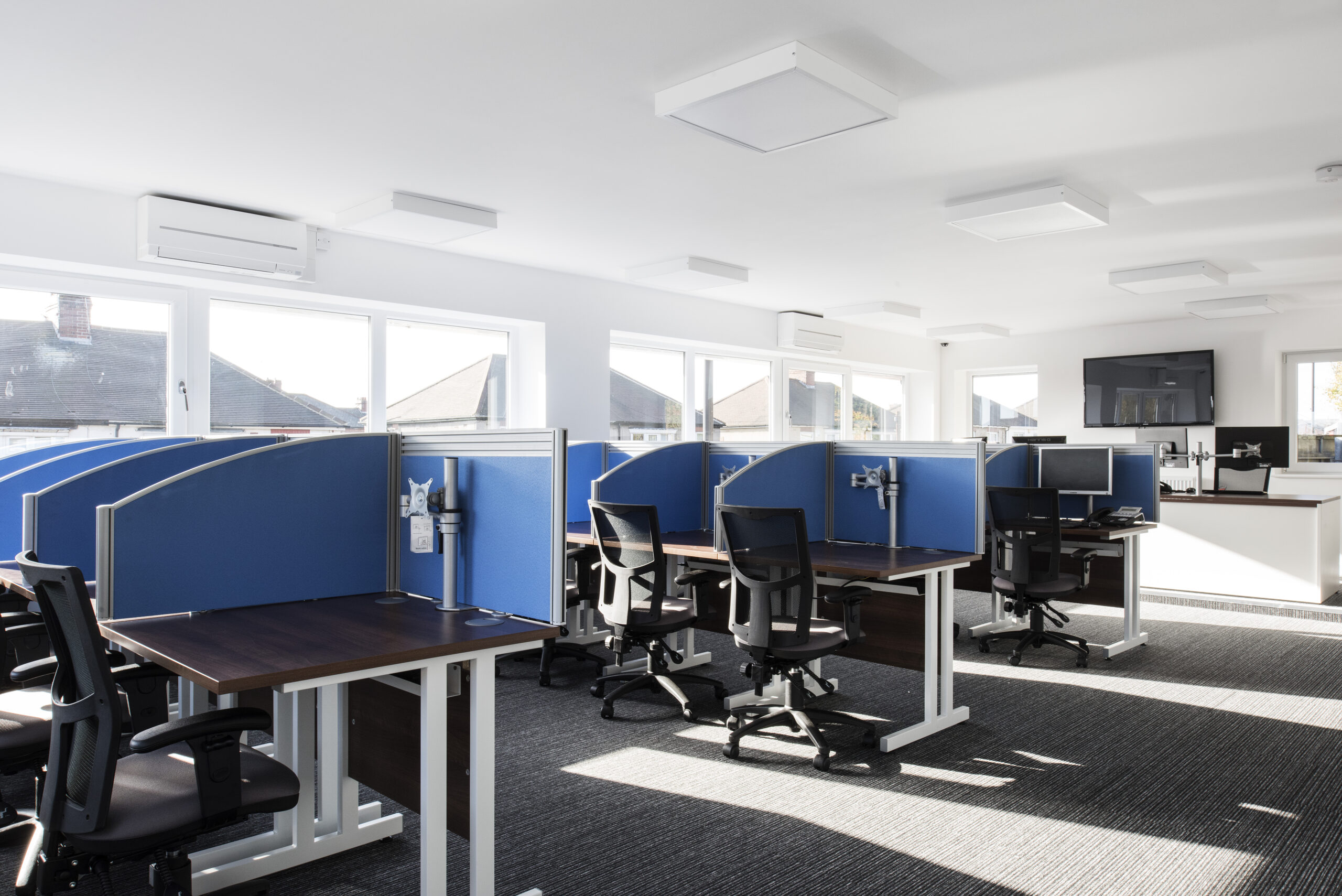
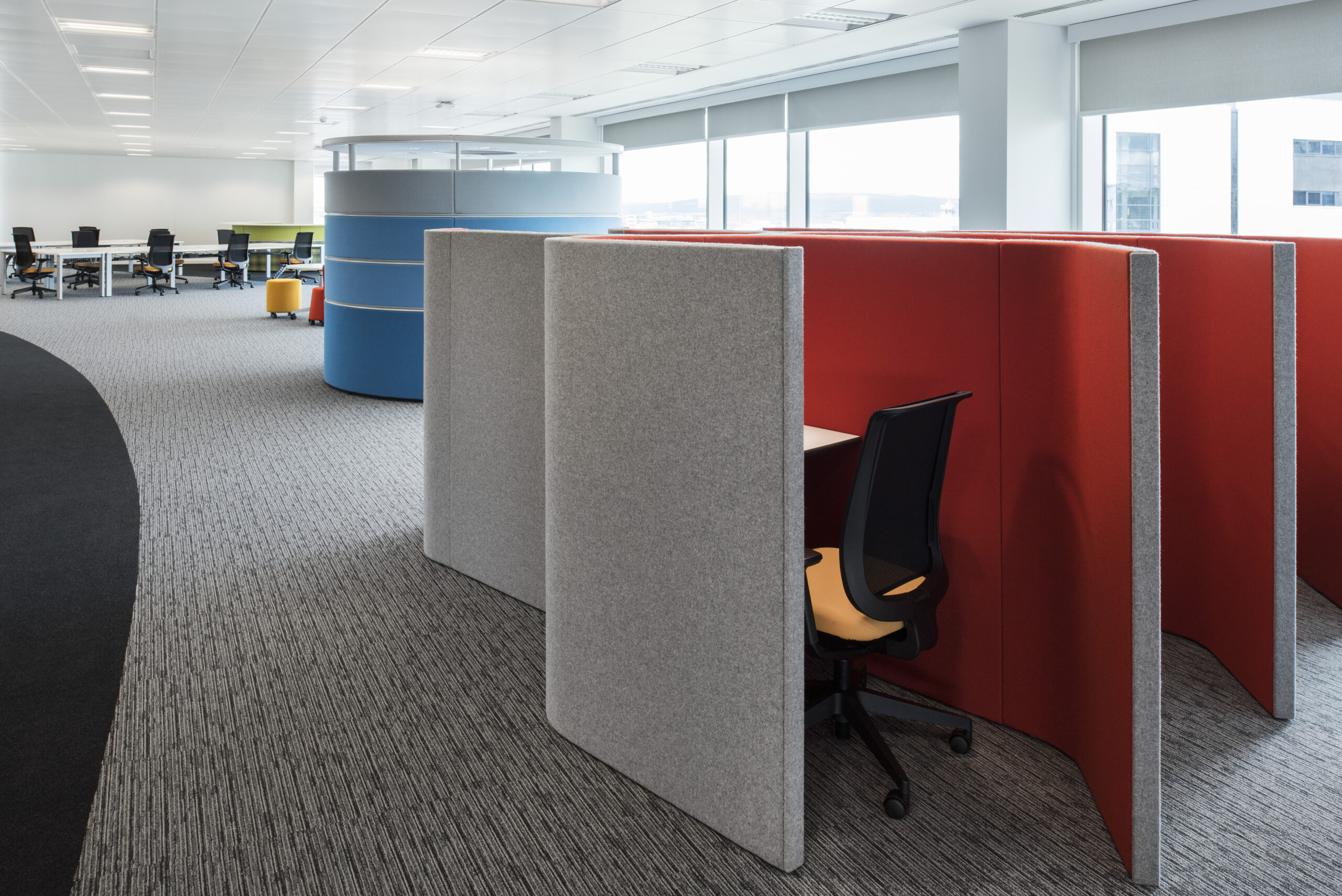
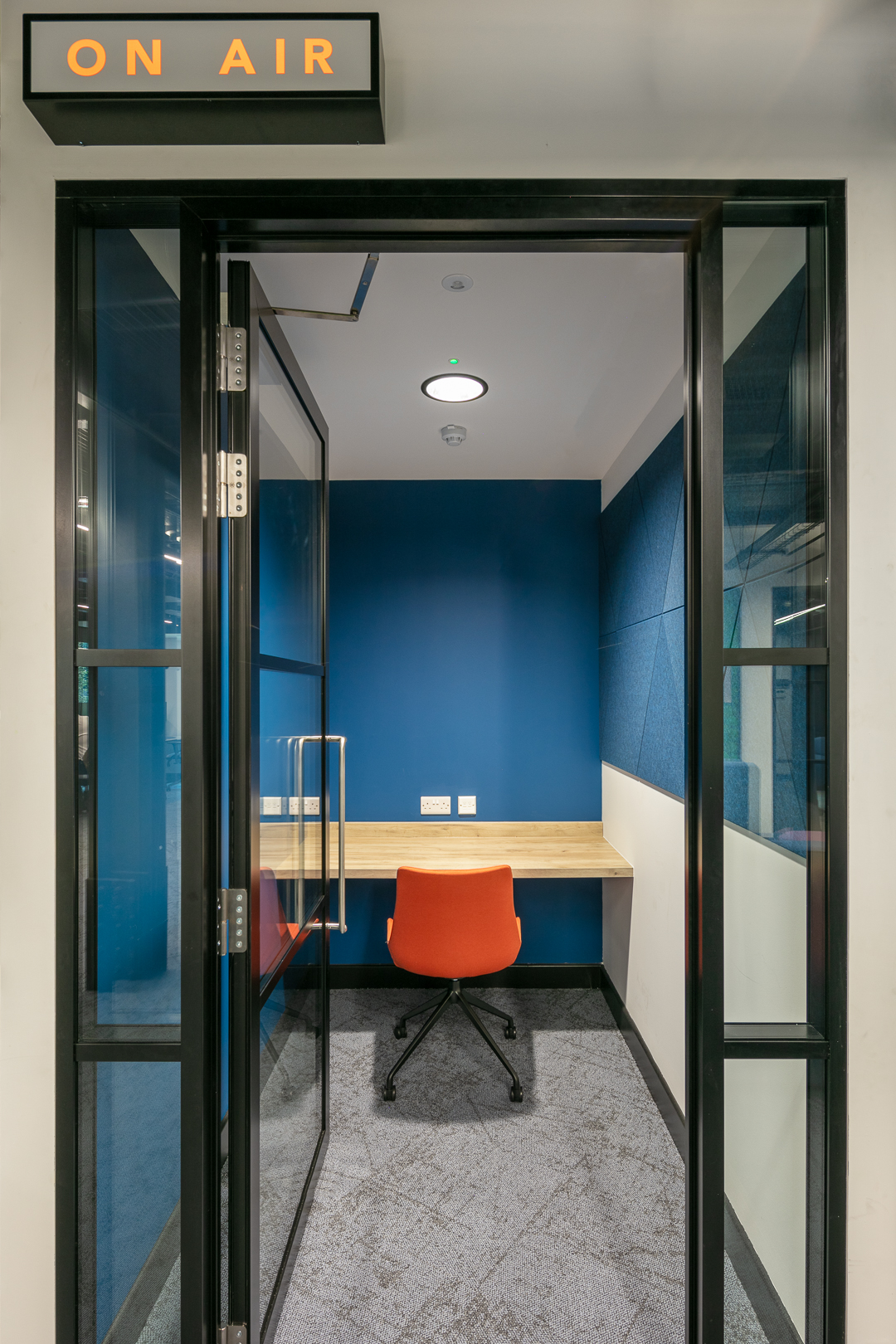
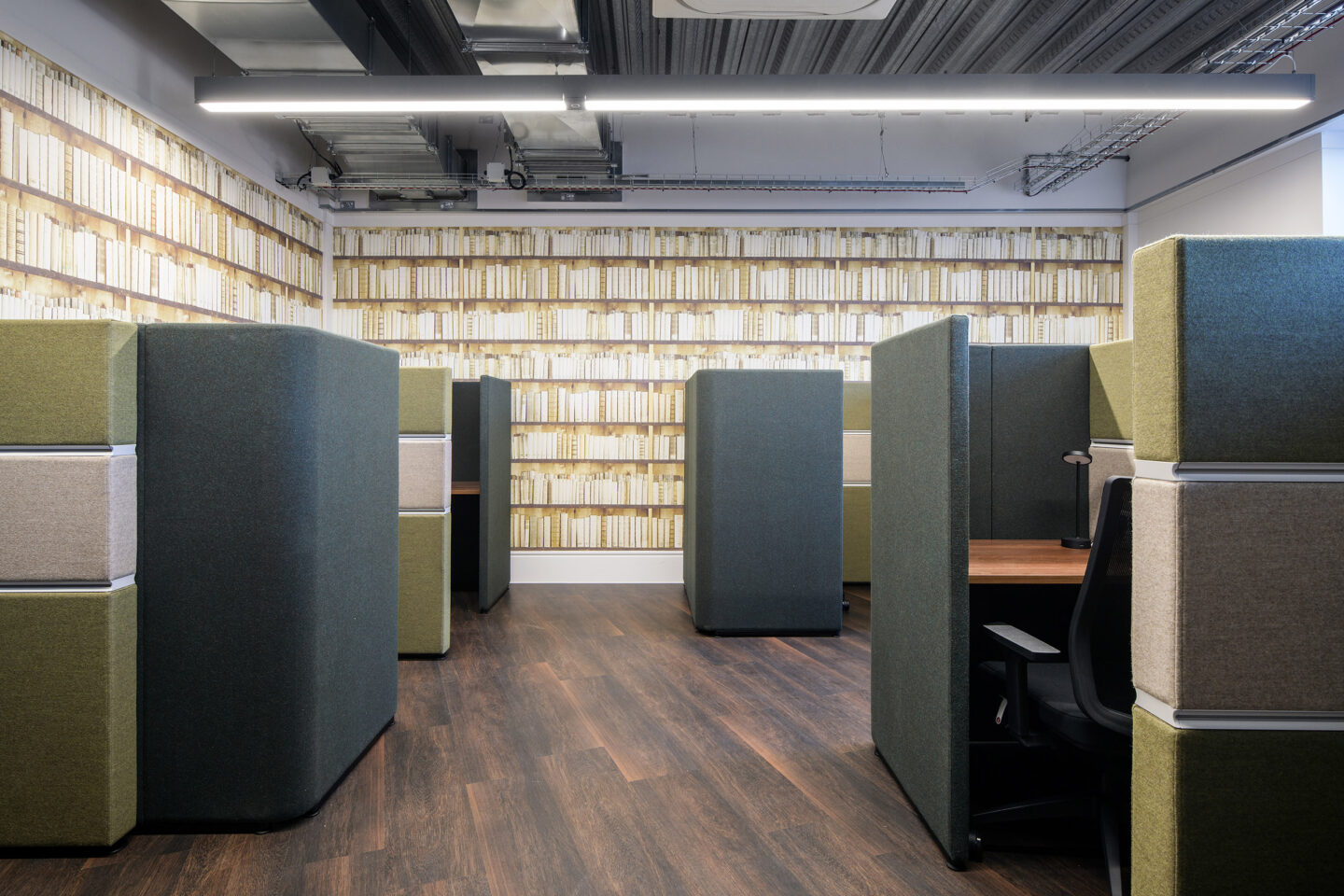
Quiet and individual learning zones are carefully designed to support concentration, deep focus, and personal reflection

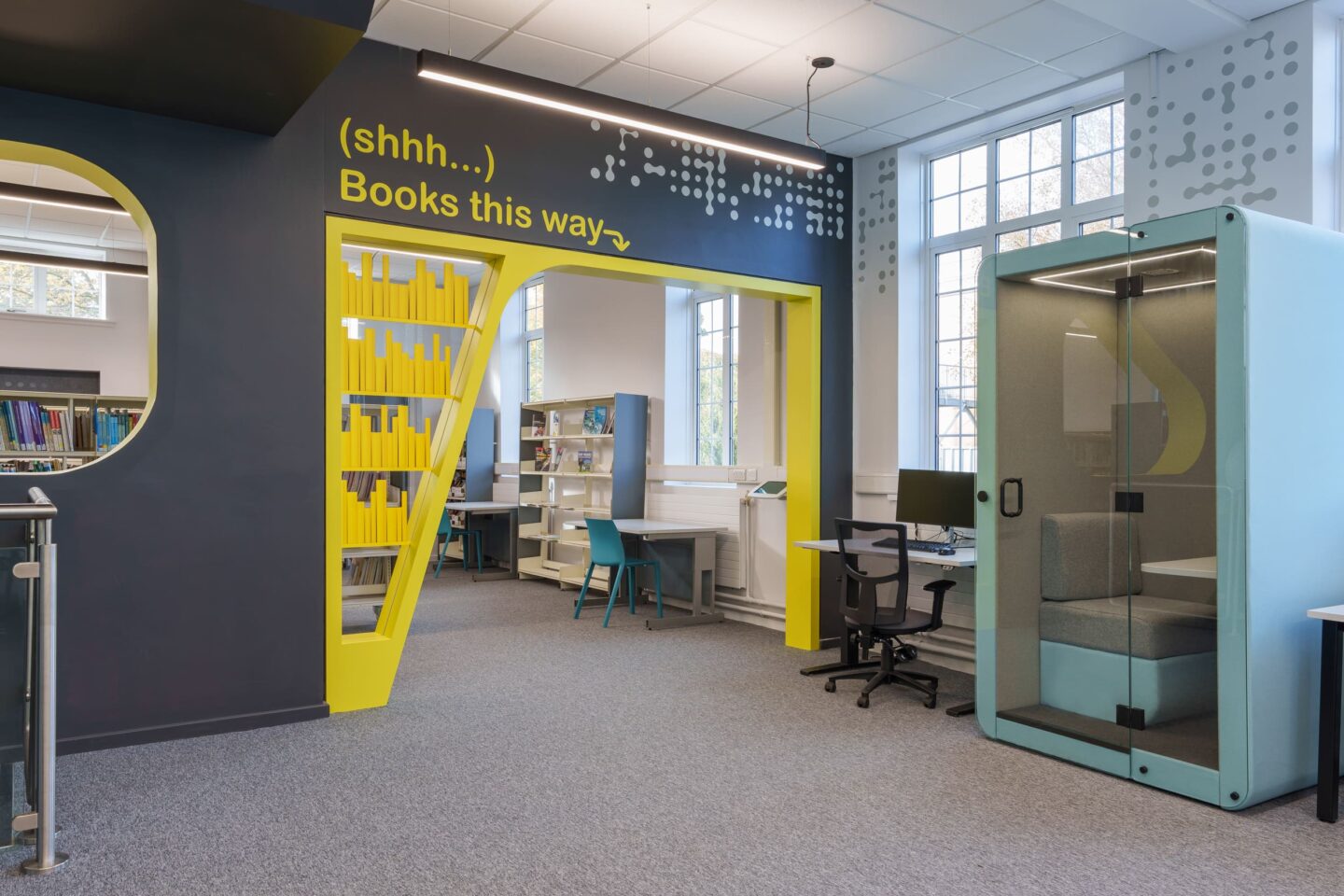
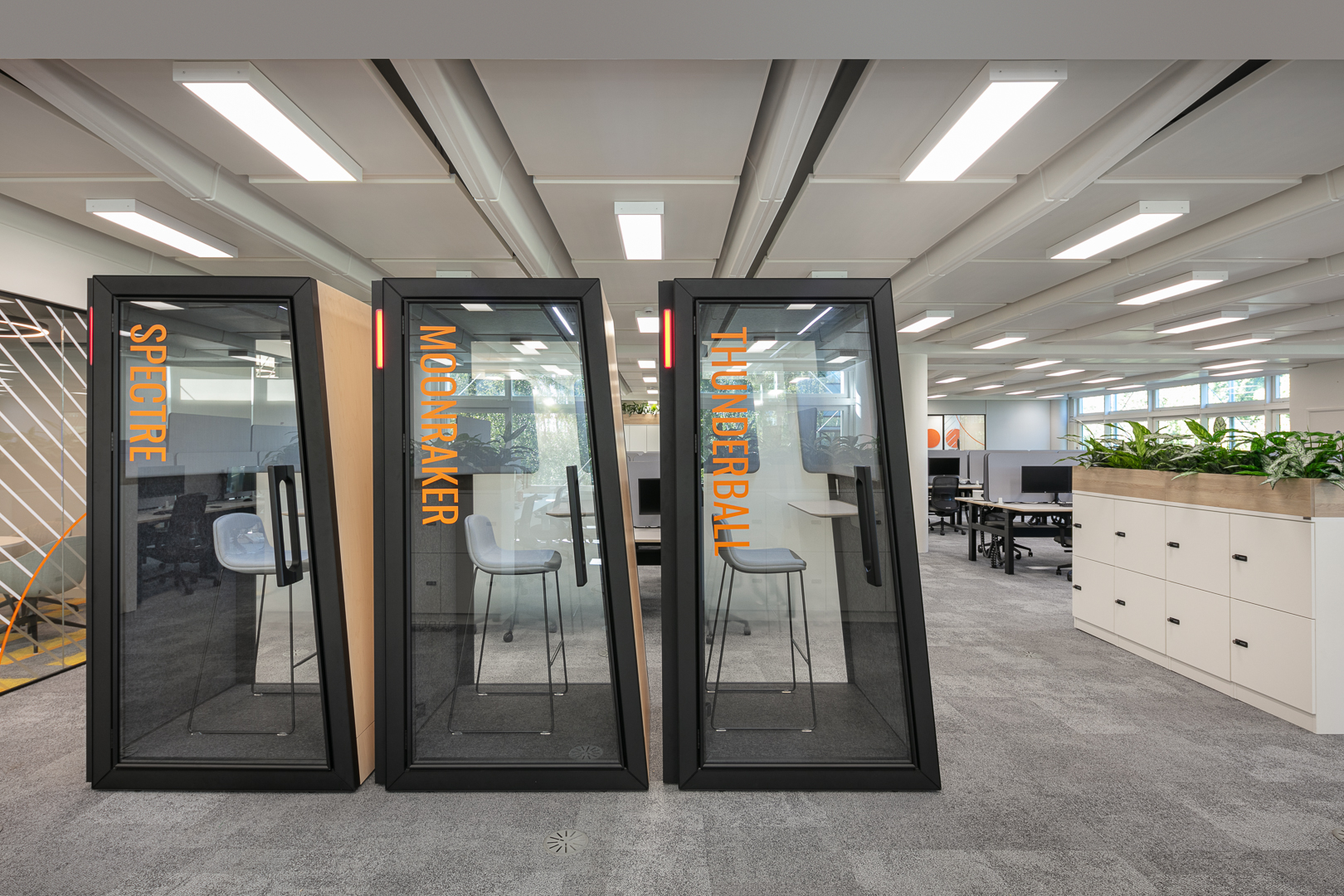
These areas often include libraries, study areas, quiet rooms, or enclosed study pods, providing an environment free from distractions where students can engage in reading, research, writing, or problem-solving at their own pace, catering to a wide range of learning needs, including those of neurodiverse students

Quiet Zones & Study Areas

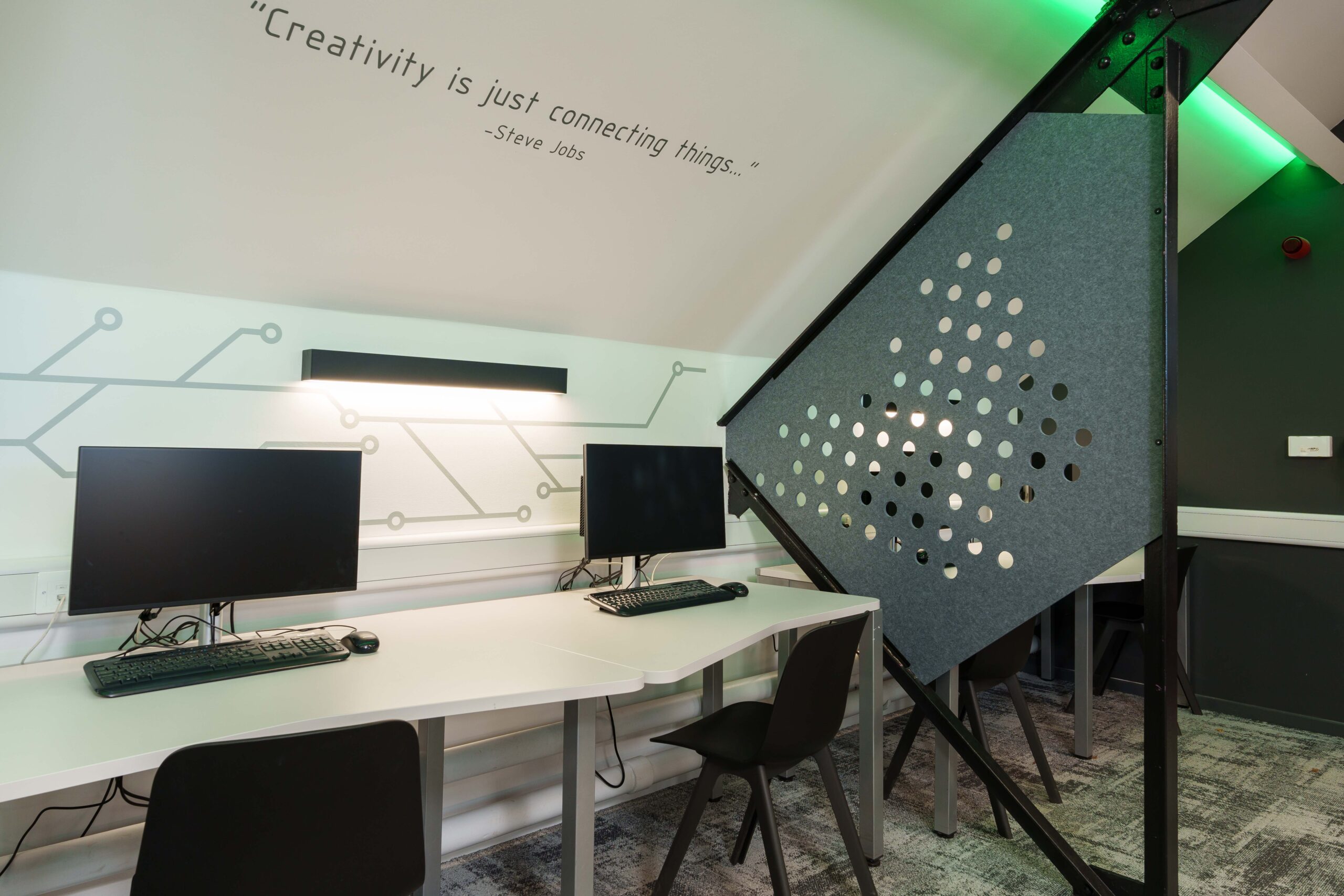
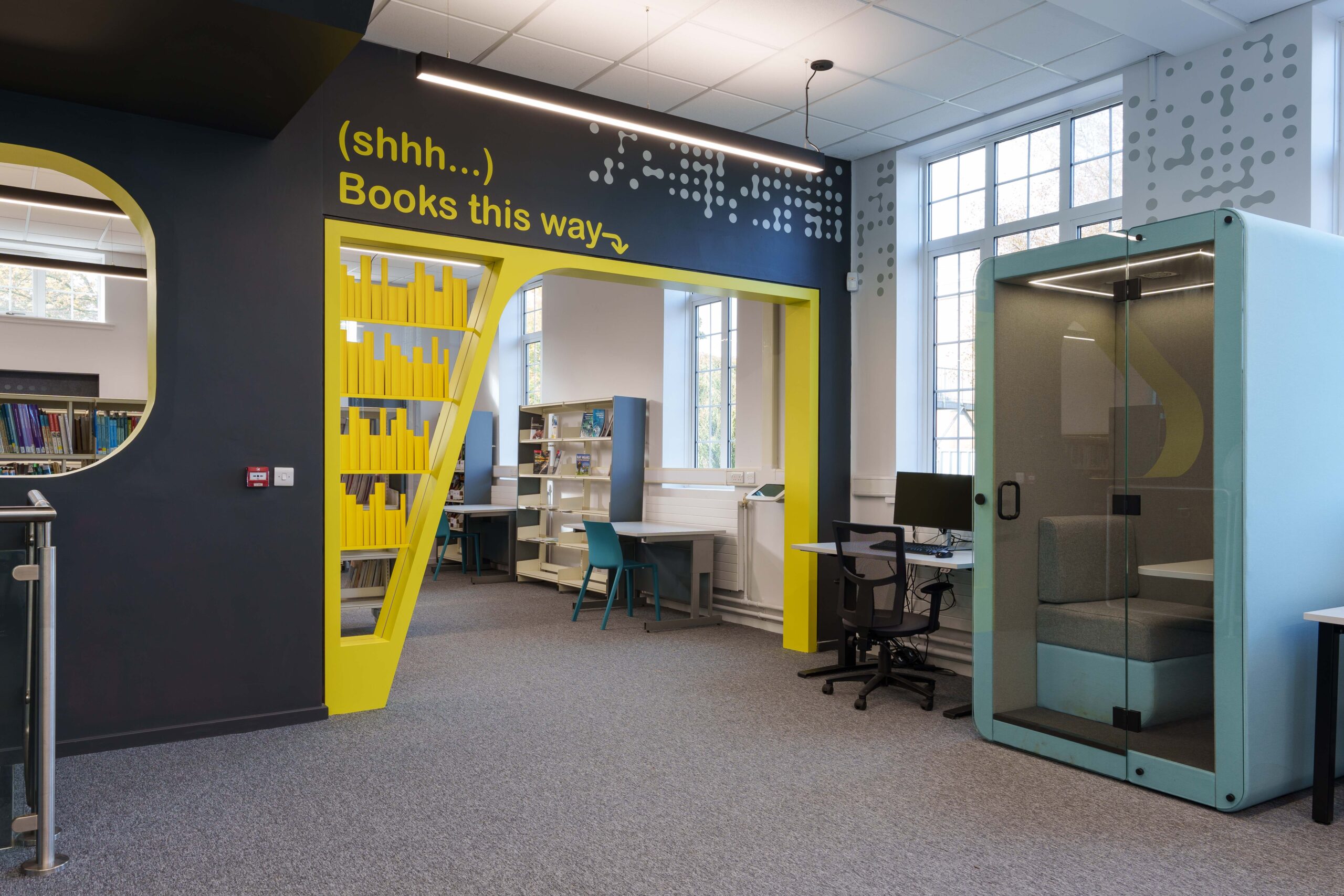
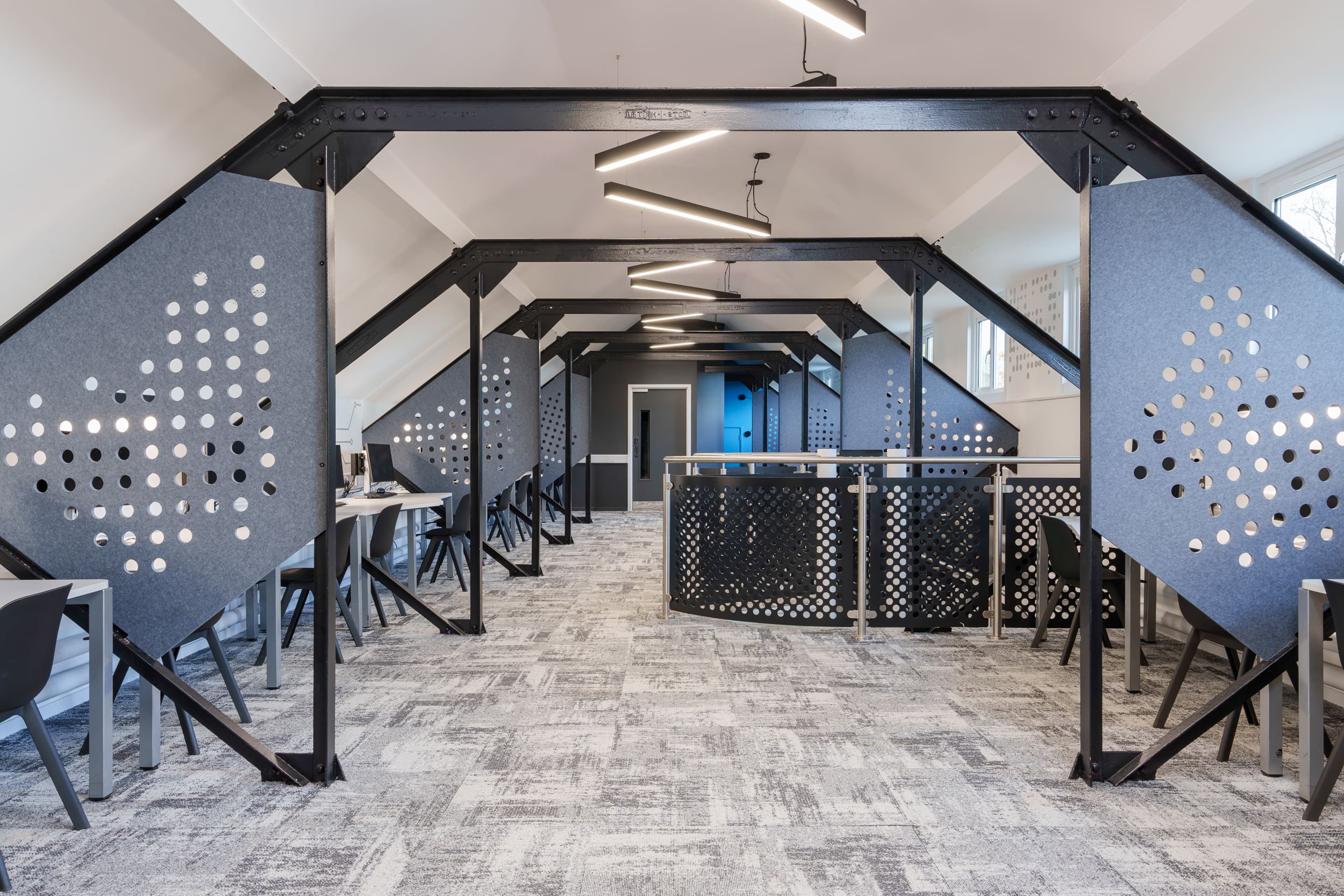
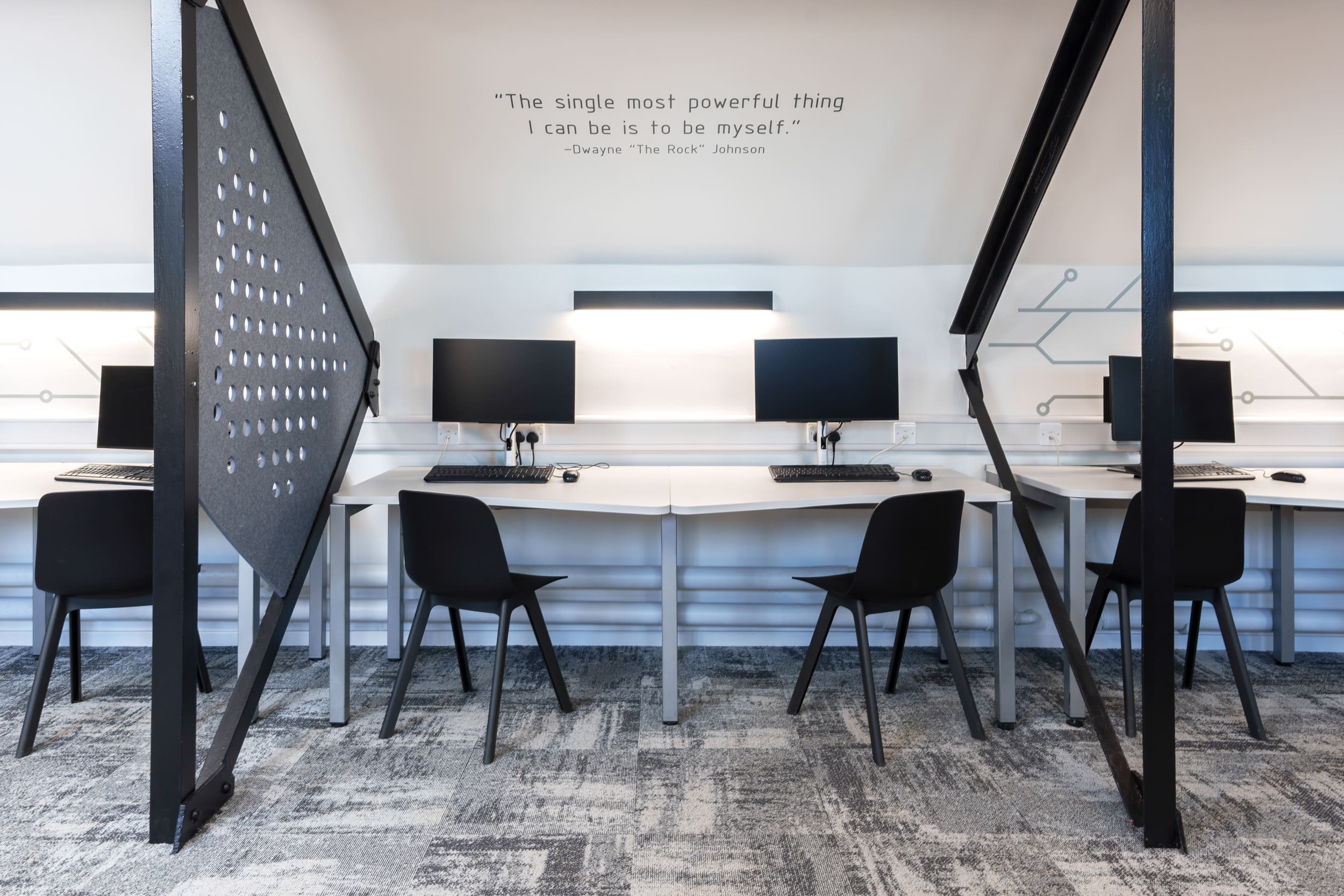
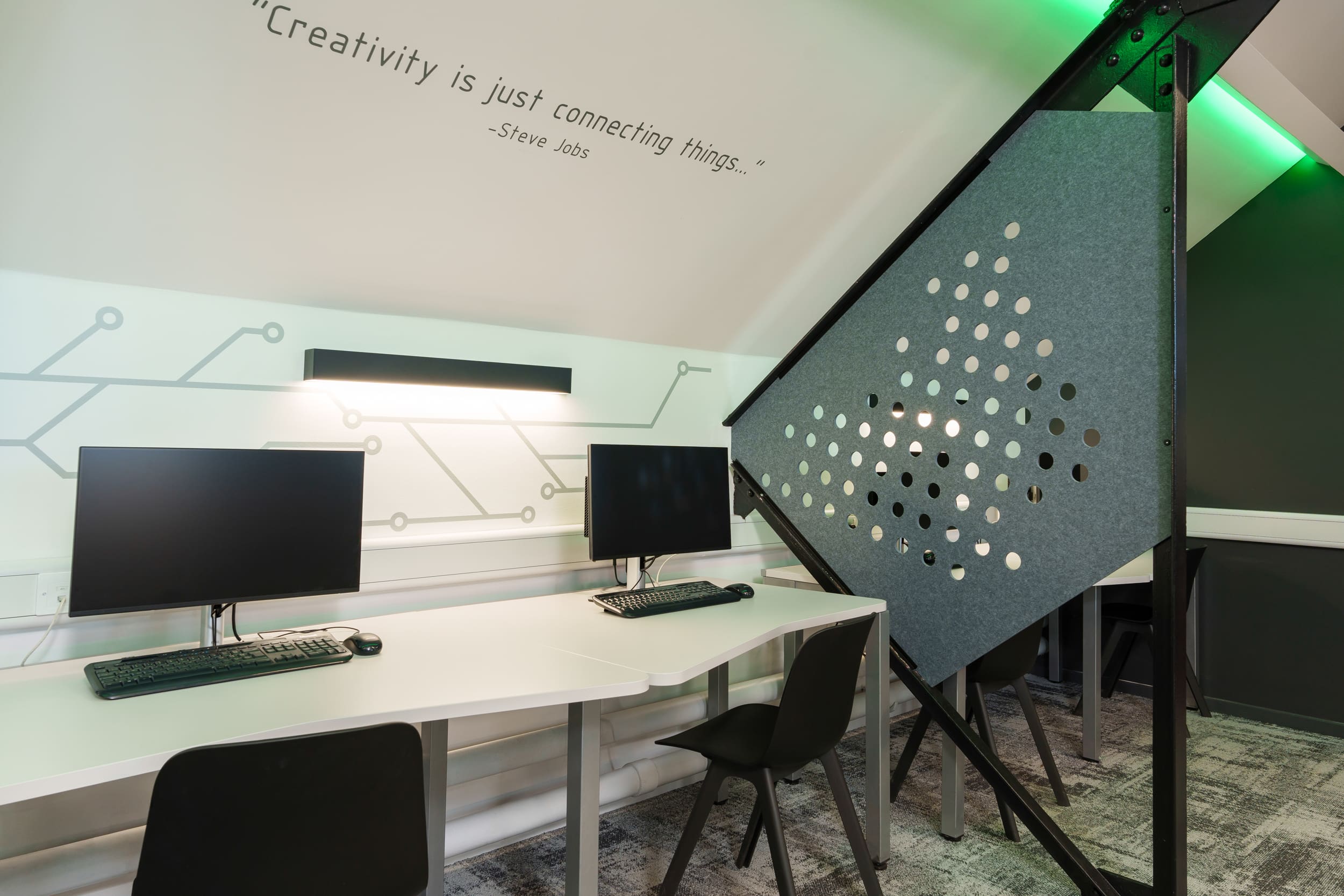
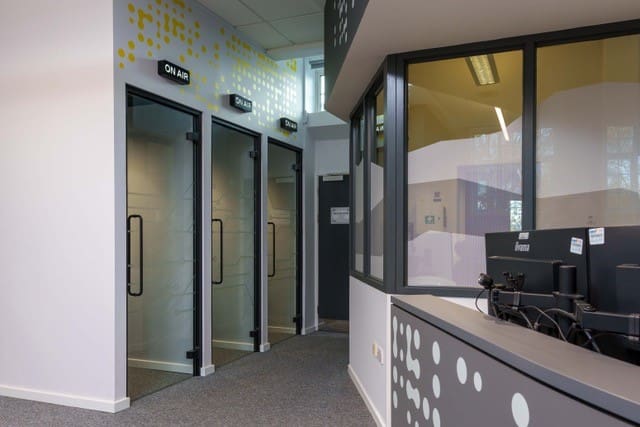
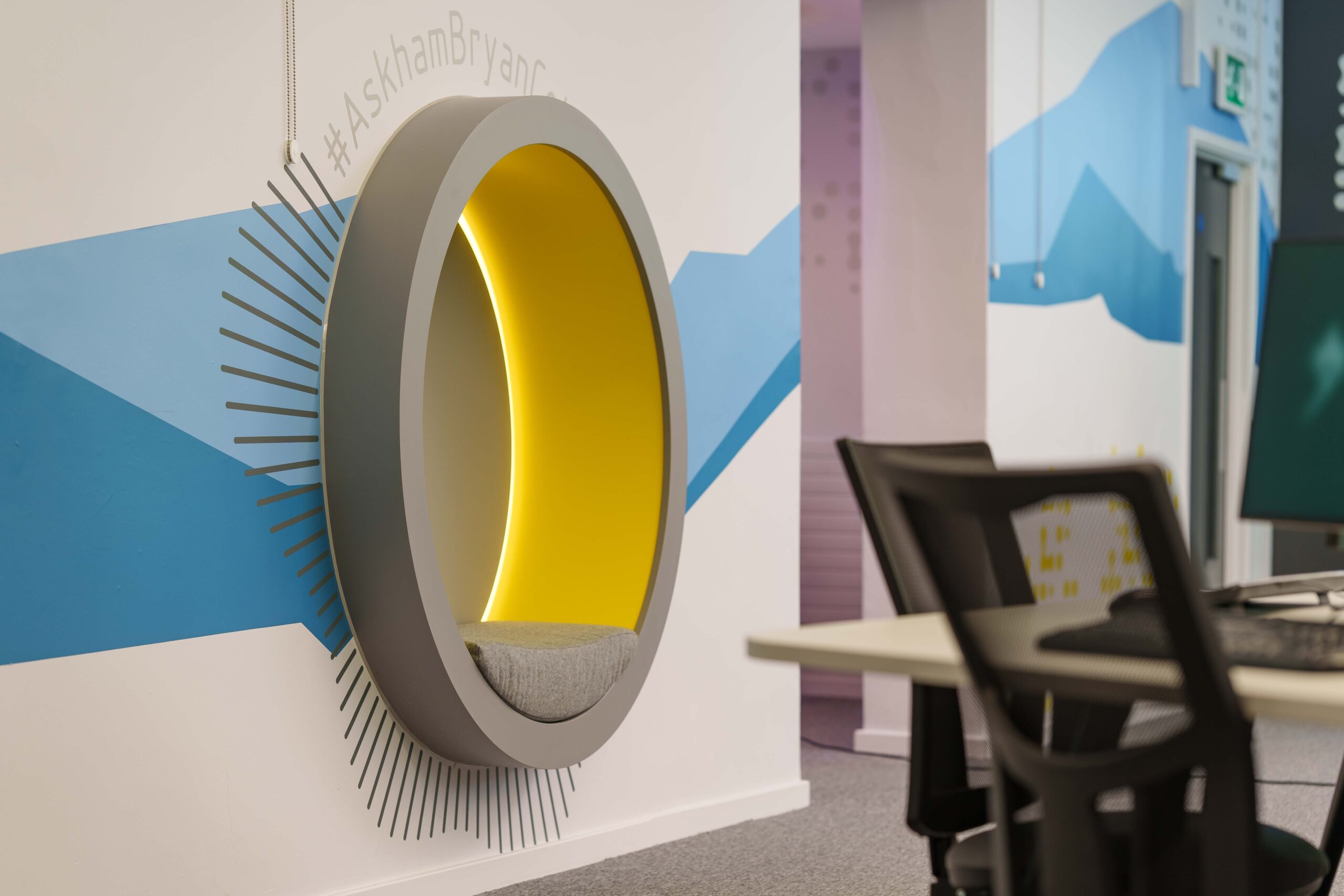
When creating dedicated study areas, we focus on minimising noise, controlling lighting, and providing ergonomic furniture to promote comfort and focus. Spaces often include individual workstations, private nooks, or enclosed study pods that reduce visual distractions.

Technology is integrated thoughtfully, giving students access to computers, charging stations, and online resources without disrupting the quiet environment. Where required, app-based booking systems can manage occupancy efficiently, ensuring fair and safe use of study zones

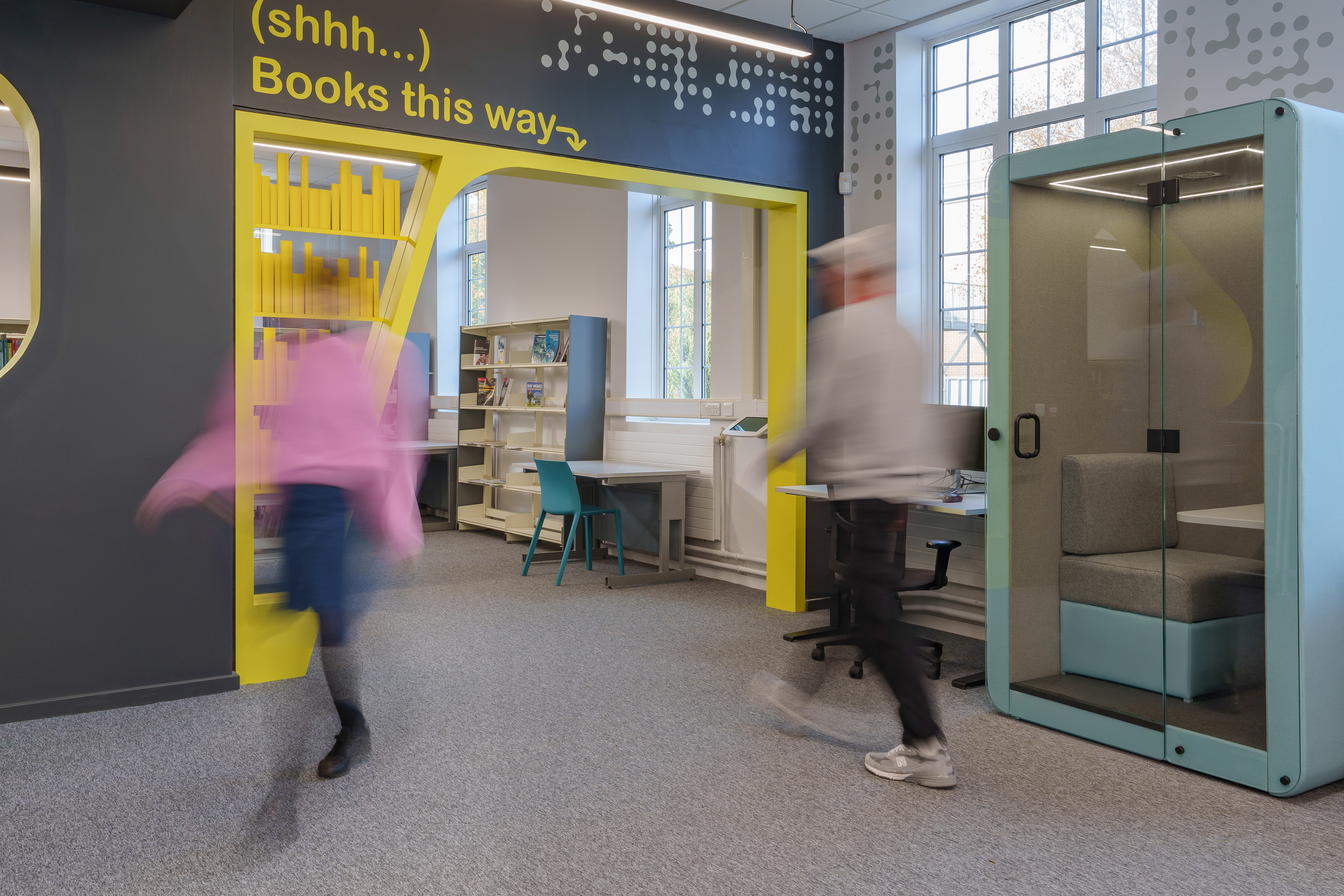
Libraries

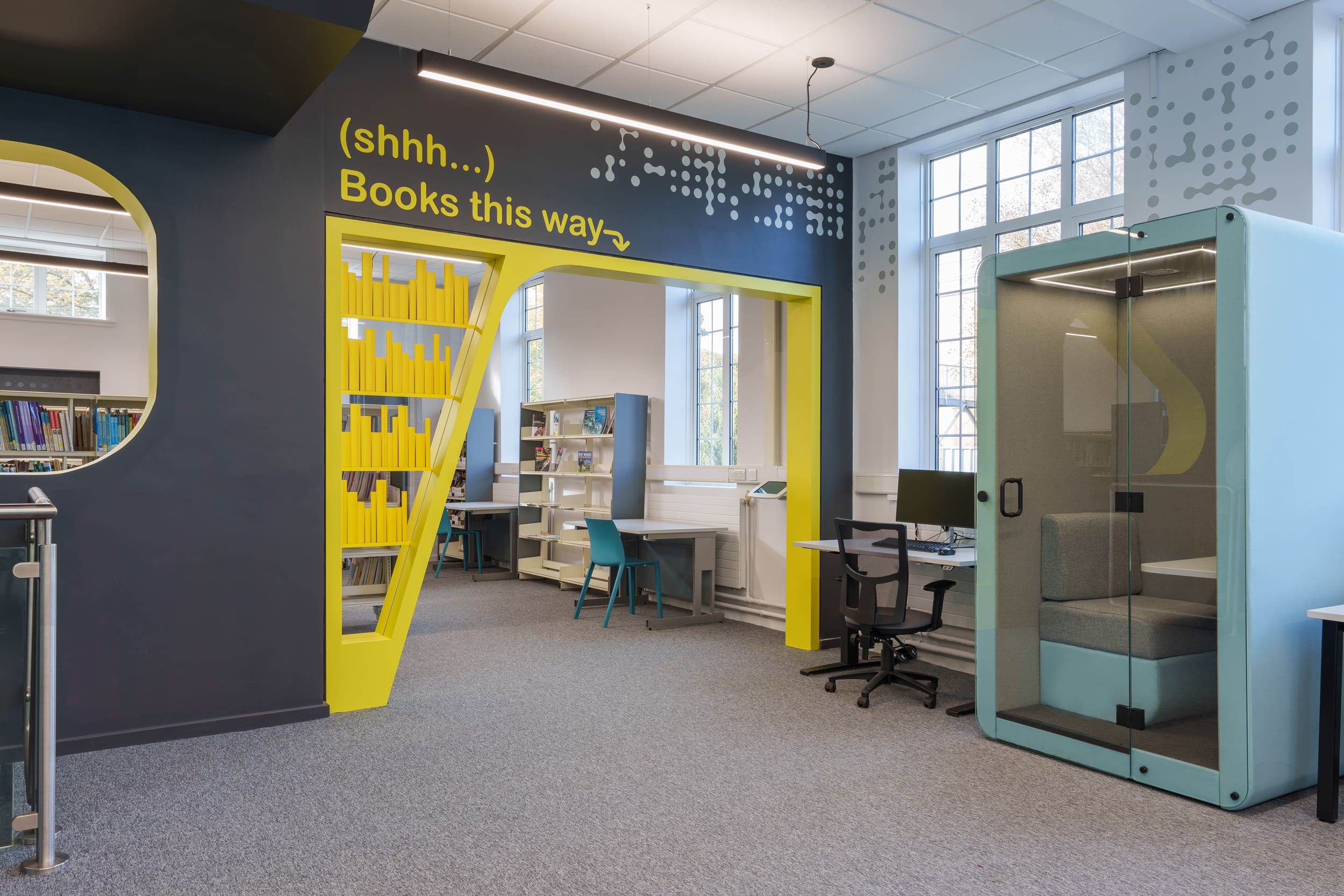
Libraries in learning environments serve multiple purposes, supporting both individual study and collaborative work. We design layouts that combine quiet zones, group areas, and flexible seating, enabling students to switch between focused work and interaction.

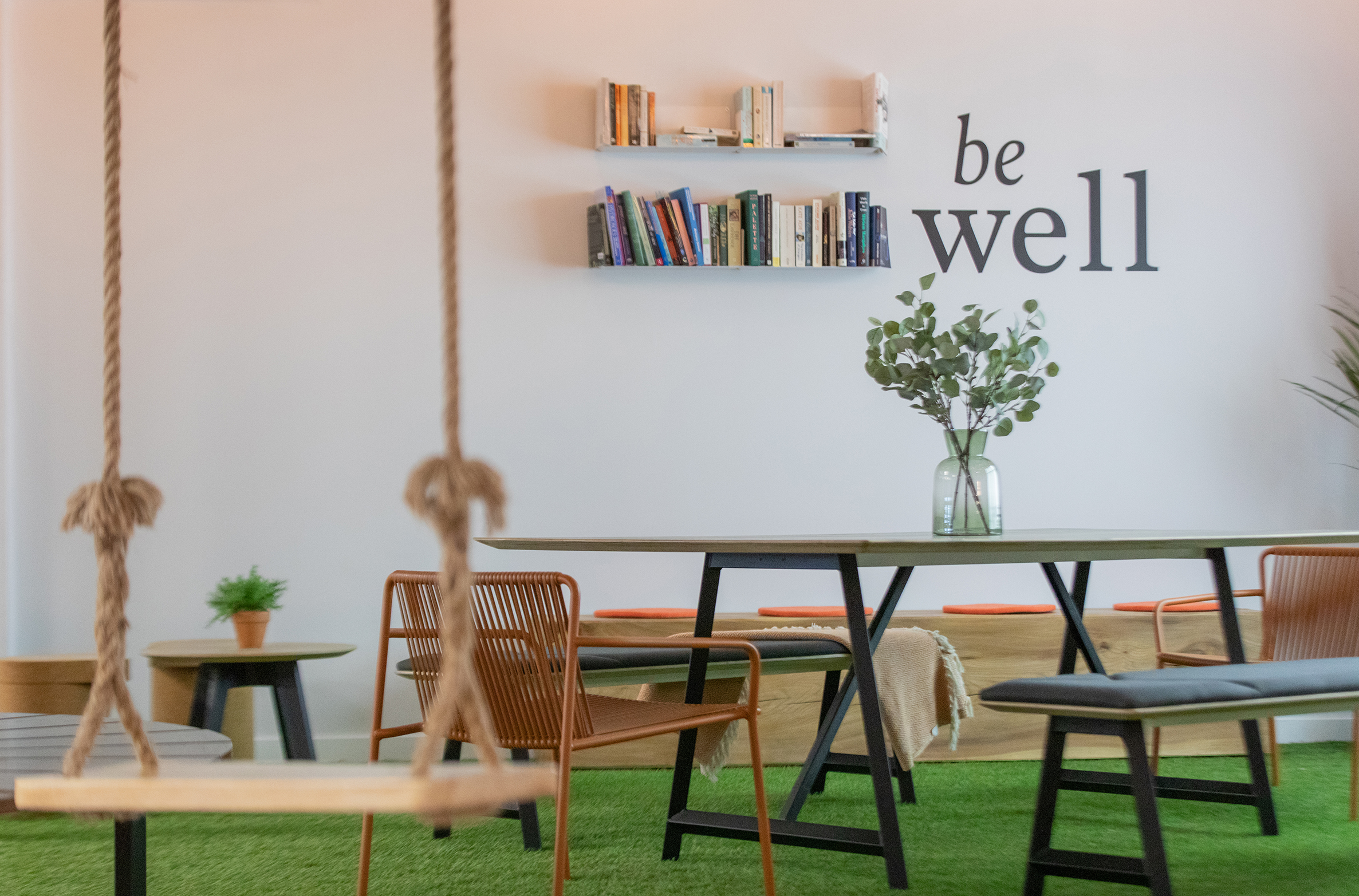
Other considerations include lighting, acoustics, accessibility, storage, and seamless technology integration. Biophilic design elements such as natural light, plants, and warm finishes enhance wellbeing and create inviting, comfortable spaces where students want to spend extended periods of time.


Learning spaces for Neurodiversity

We have extensive experience designing spaces for neurodiverse students. These environments are inclusive, flexible, and tailored to sensory needs. Acoustic treatments, controlled lighting, reduced visual clutter, and clear zoning minimise distractions and overstimulation.

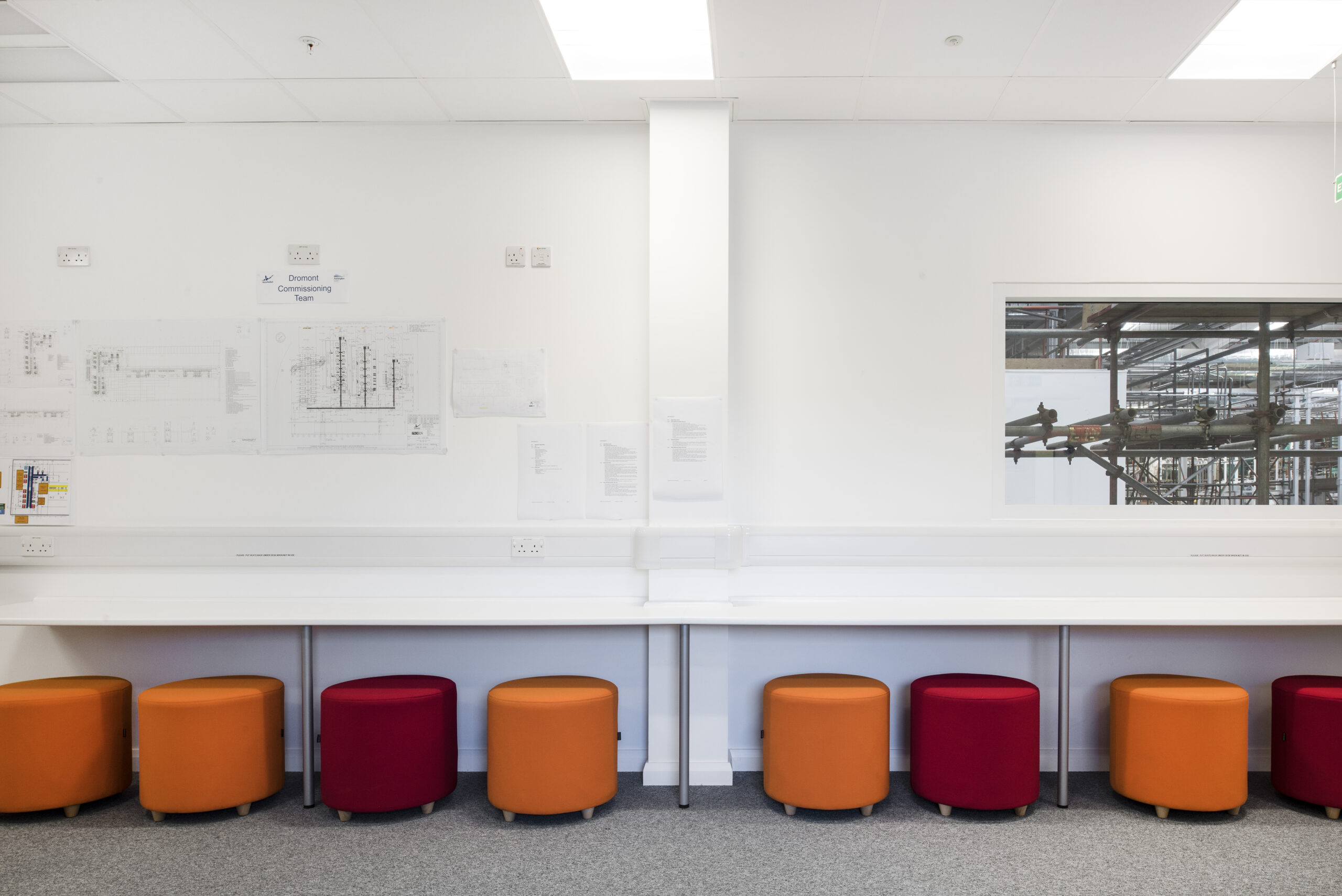
Furniture is adaptable and comfortable, supporting both individual study and small-group collaboration. Technology is integrated in a way that provides access to digital resources without creating sensory overload. Biophilic elements, natural light, and calming colours further support focus, wellbeing, and engagement.

Thoughtful planning ensures students can navigate the space confidently, while flexible design allows the areas to adapt to different learning preferences and activities. Overall, these spaces foster independence, concentration, and meaningful learning experiences.

Quiet or Individual Learning

Back to top